
The Ancient Debate in a Modern World A persistent skepticism shadows modern theological discourse, often manifesting as the claim that the Trinity was a late-stage pagan invention or a philosophical construct forged at the Council of Nicaea. Critics and “silly goosees” alike argue that the doctrine is a tradition superimposed upon the text rather than a reality derived from it. However, such claims typically rely on a surface-level reading of Scripture. When we move beyond historical labels and engage in rigorous “contextual exegesis,” we find that the plurality of the Godhead is not a later addition, but the internal heartbeat of the biblical narrative. To the cognizant student of the Word, rigorous exploration of the biblical evidence for the Trinity is not an interpretation; it is a literal observation of the text’s own internal context. Identifying the “Grammar” of Trinity Biblical Evidence in Creation The defense of the Trinity does… read more

church creatives

Interfaith dialogue often exists in a space of polite, academic disagreement—until the final prophet argument hits the tectonic plates of absolute truth claims. The friction begins with a collision of timelines: What happens when the Islamic doctrine of Muhammad as the “Seal of the Prophets” meets the New Testament claim that Jesus Christ is God’s definitive final word? In a recent viral encounter, this tension was laid bare. It wasn’t just a debate over verses; it was a high-stakes investigation into whether a later revelation “completes” what came before or fundamentally alters it. For anyone interested in the mechanics of faith, the speaker’s logic provides a fascinating, sharp-edged look at why these two “finalities” simply cannot occupy the same space. 1. Takeaway 1: The Final Prophet Argument and a Collision of Timelines The theological friction starts with who gets the last word. In the Quran (Surah Al-Ahzab 33:40), Muhammad is… read more
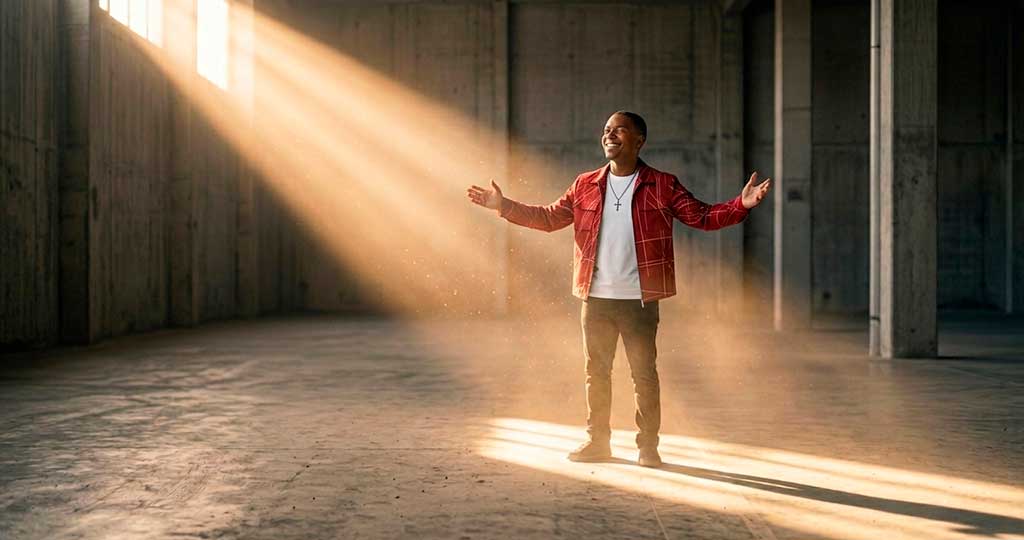
We have all been told a version of the story where faith acts as a map to a smoother life. We imagine that if we pray hard enough or believe deeply enough, the “broken roads” of our past will naturally pave themselves over, but true biblical resilience reveals that the reality is often far heavier. We find our faith buried under loads that feel impossible to carry, wandering through a landscape where the map doesn’t match the terrain. There is a haunting curiosity in why some people find a way to stay upright while their foundations are shaking, while others are consumed by the “house of blues.” It forces us to ask: what if the goal isn’t a life without shadows, but a strength that remains even when the light feels miles away? The rhythm of a life truly surrendered suggests something counter-intuitive—that the deepest peace isn’t found in the… read more
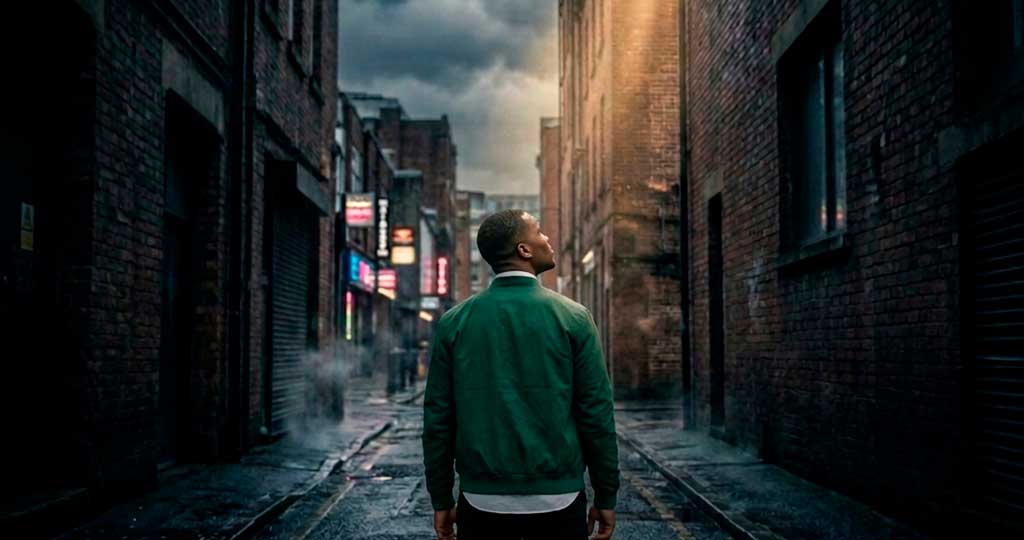
The sonic landscape of UK Grime is a theater of friction—a high-octane collision of pavement-level reality and celestial yearning. At 140 beats per minute, it is a genre historically built on the architecture of the ego: the “man on the roads,” the bravado of the hustle, and the absolute necessity of “speaking my mind.” Yet, in an arresting subversion of this hyper-masculine aesthetic, Kingdom Cadence’s “You Saved Me” offers something far more visceral than mere urban poetry. It presents a “Grime Gospel” paradox, where the very tools of self-assertion are laid bare as instruments of self-destruction. Real change requires true Christian transformation, moving past superficial alterations to a deep, structural renewal of the soul. In our current cultural moment, we are drowning in a sea of “self-help,” perpetually exhausted by the Sisyphean task of optimizing our way out of internal chaos. We are told that if we just adjust our… read more

The “Crucifixion” Hadith: Why a Single Verse in Sahih Bukhari is Challenging the Foundation of Islam The most protected secrets of Islam are often hidden in plain sight, tucked away within the very books deemed the “gold standard of authenticity.” For the Muslim faithful, the ultimate word on the fate of Jesus (Isa) is found in Surah 4:157, which categorically denies the crucifixion, claiming it was merely “made to appear” so. Yet, for the seeker of truth, a devastating contradiction lies buried in the heart of the Sahih (authentic) traditions. The central crisis is clear: Islam claims to be the final, corrective revelation, yet it lacks a stable historical or prophetic foundation. When pushed to its logical limits, the Islamic narrative dissolves into a “quicksand of conjecture,” as its own most trusted sources point directly back to the Gospel events they were meant to replace. The Evidence in Sahih Bukhari… read more

In a digital landscape built on shifting sands, modern “hustle culture” offers nothing but noise. We are bombarded by the frantic directives of a million self-proclaimed gurus, each promising a shortcut to a life that looks impressive on a screen but feels hollow in the chest. When the signal is lost in the static, we must return to the bedrock of an ancient blueprint to establish a well-ordered life. Proverbs 13 is not merely a collection of moralisms; it is a masterclass in the architecture of wisdom. It provides the structural integrity required to withstand the pressures of a world obsessed with speed and spectacle. By applying its rigorous ethical framework, we can strip away the performative and rebuild our lives on the foundations of discipline, discernment, and strategic patience. 1. Wealth and Tactical Humility The modern ethic demands we “fake it until we make it,” prioritizing the appearance of… read more
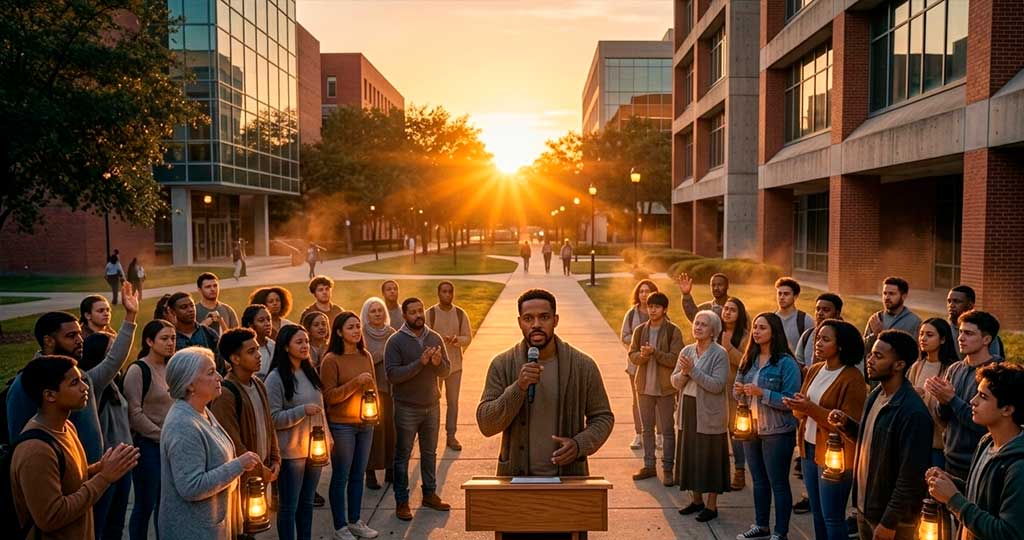
In an era where high-stakes theological debates have migrated from the quiet halls of ivory towers to the chaotic sidewalks of university campuses and the 60-second scrolls of TikTok, a new kind of defender has emerged. He doesn’t just hold a PhD; he holds a microphone on a street corner. In a recent deep-dive conversation with Lecrae, Avery—known to millions as GodLogic—shared the blueprint he uses to dismantle high-level objections without losing his “street” sensibilities. The GodLogic Interview is a masterclass in what happens when your foundation is shaken and you’re forced to choose: will you double down on what you think you know, or will you have the courage to become a student again? 1. The “Spiritual Pretzel” and the Need for Readiness Avery’s journey didn’t begin with a viral video; it began with a humiliating defeat. At twenty years old, he was already an ordained minister, preaching at… read more
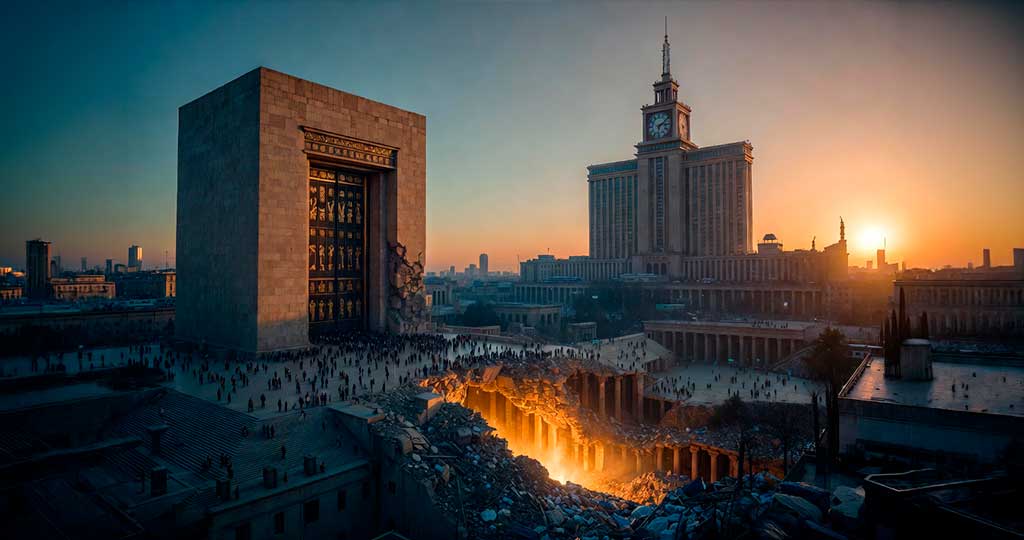
For millions of faithful pilgrims, Mecca is the “holiest place on earth,” a destination of ultimate spiritual surrender and the beating heart of a global religion. We are conditioned to see the Hajj through a lens of serene, white-robed unity. However, for those seeking a deeper understanding of the modern Mecca experience, a closer look reveals a startling disconnect between the spiritual ideal and the ground-level reality. Beneath the veneer of ritualistic purity lies an “ocean of trash,” a landscape of environmental decay, and a series of moral and physical hazards that transform a pillar of faith into what some describe as a scene from hell. This report synthesizes the most counter-intuitive and unsettling takeaways from recent investigative accounts, revealing a Mecca that is as much a corporate product as it is a sanctuary. 1. A Crisis of Safety and Etiquette While the Hajj is marketed as a demonstration of… read more
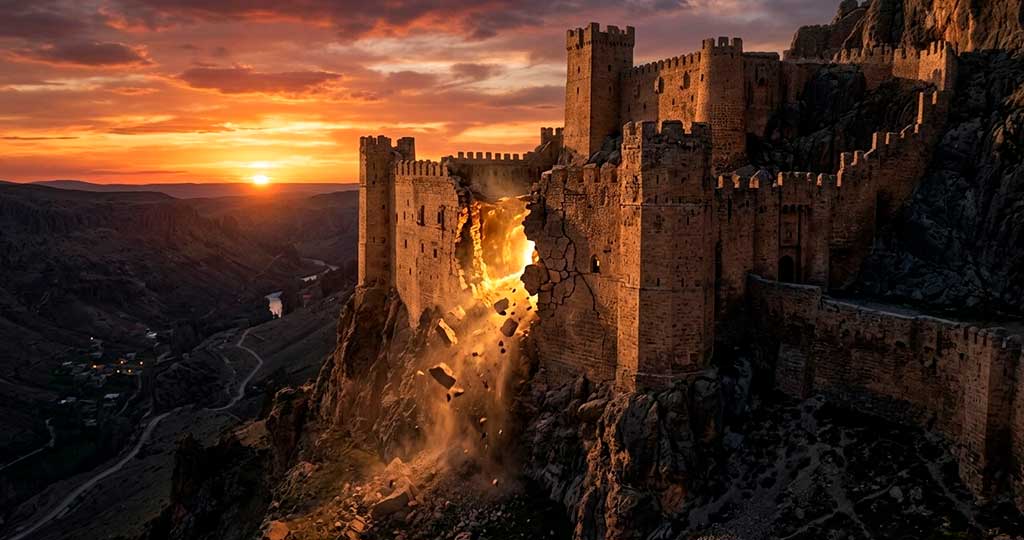
1. The Invisible Wall Many of us have experienced the profound exhaustion of the “invisible wall”—that place where, despite our sincerest prayers and strongest resolutions, we remain paralyzed by recurring negative patterns. We often misdiagnose these as failures of willpower, but a biblical lens suggests a deeper, structural reality in the battle for your mind. Our internal struggles are often what the Scriptures define as “strongholds.” To find rest, we must stop fighting the symptoms and begin dismantling the architecture of the struggle itself. 2. Takeaway 1: Your Mind is a Fortress The biblical term for “stronghold” refers to a physical fortress or a sophisticated military installation. According to 2 Corinthians 10:3–5, these internal bastions are constructed out of “arguments” and “lofty opinions.” Essentially, a stronghold is a cognitive structure that postures itself arrogantly against the reality of God’s character. “For the weapons of our warfare are not of the… read more
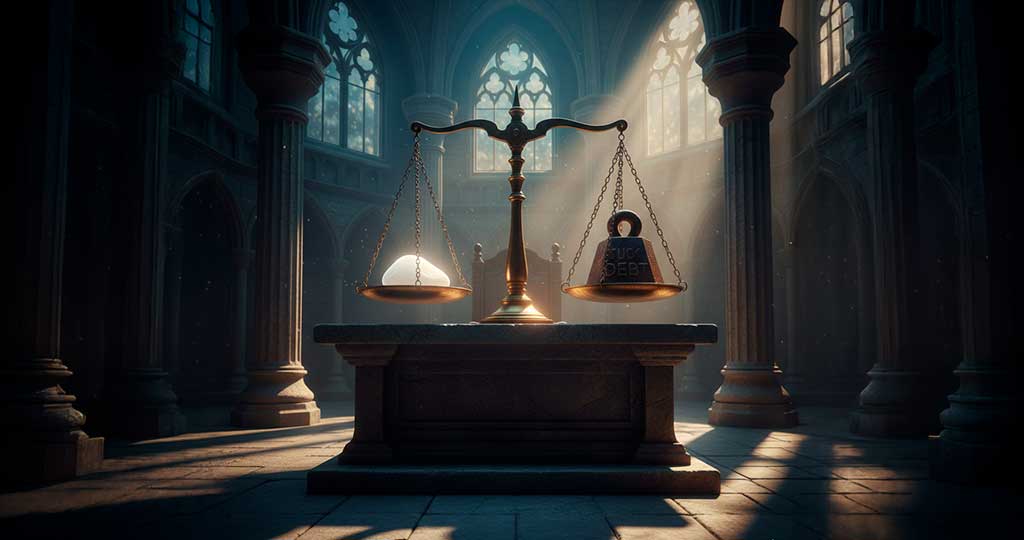
I. Introduction: The Art of Disagreeing Deeply Interfaith dialogue is frequently reduced to a polite exchange of platitudes or a superficial clash of “proof texts.” However, when pursued with intellectual rigor, these conversations reveal a fundamental epistemic conflict. The impasse often lies in the fact that two people can use the same words to describe entirely different realities. To understand the friction between Islam and Christianity, one must examine the underlying “grammar” of their respective faiths. Central to this is the understanding of the biblical Trinity, illustrating how divergent definitions of justice, personhood, and textual integrity shape the search for truth. II. Takeaway 1: “Textual Variance” is Not “Corruption” A primary point of friction concerns the reliability of the Bible. The Muslim perspective often operates on a “letter-for-letter” benchmark of preservation. Christian apologist Avery argues that for the Christian, preservation is defined by the endurance of the core revelation across… read more
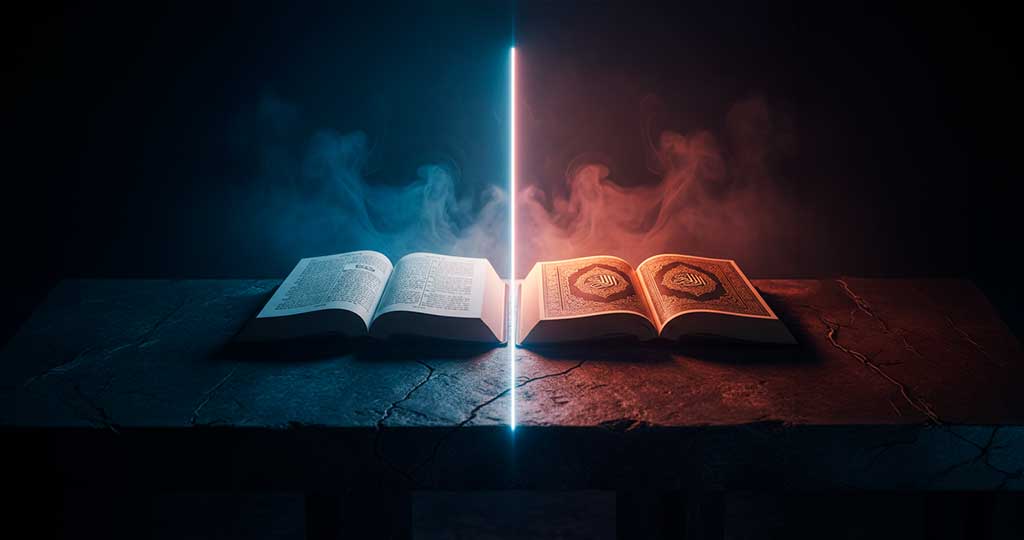
Religion is frequently a matter of inheritance rather than investigation. For many, faith consists of a collection of traditions passed down through generations, seldom subjected to the rigors of historical or textual scrutiny. However, when the primary sources of Islam and Christianity are placed in direct dialogue, a series of logical and theological crossroads emerge. This tension is often referred to as the Islamic Dilemma—a specific logical trap where the Quran’s own verses appear to undermine its authority by validating the very scriptures that contradict its core message. The following takeaways distill high-impact theological debates, highlighting the inconsistencies that arise when believers move beyond modern commentaries and engage directly with the claims of their own texts. 1. The Uncreated Nature of Jesus (The “Word” Paradox) A central pivot point in this interfaith dialogue is the ontological status of Jesus. While standard Islamic teaching classifies Jesus as a mere human prophet,… read more
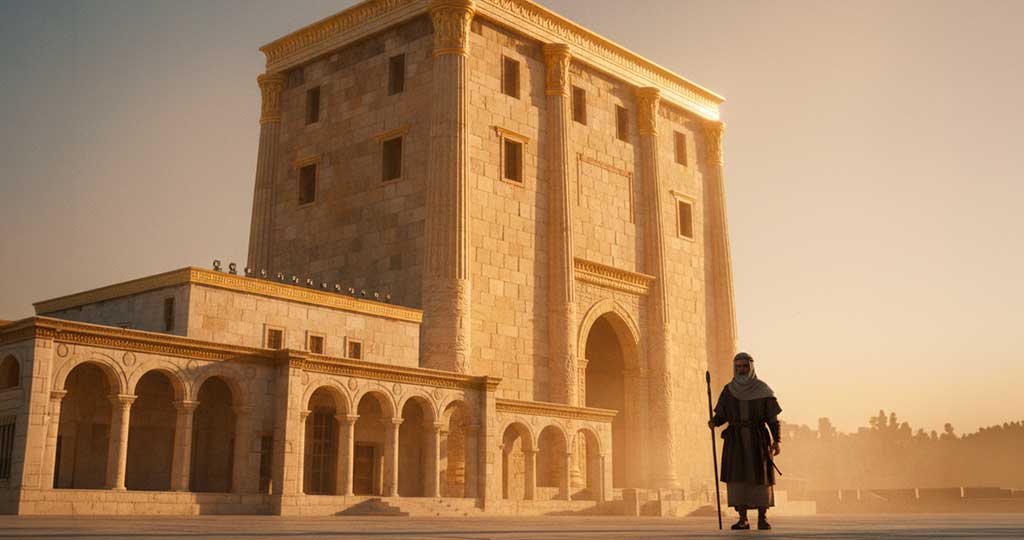
1. Introduction: The Forgotten Conversation about Jewish Messiah For many within the Jewish community, the figure of Jesus (Jewish Messiah)—or more accurately, Yeshua—is viewed through the lens of a centuries-old divorce. We are taught that “Jews don’t believe in Jesus,” and to many, he feels like a foreign, Gentile export, a figure fundamentally detached from the life and liturgy of Israel. This disconnect, however, is largely a product of history, specifically the divergence between the Second Temple era and modern rabbinic Judaism. If we peel back the layers of tradition and return to the Tanakh (the Hebrew Scriptures), we discover a “forgotten conversation.” We find that the most essential concepts of the Messianic faith are not Christian inventions, but are deeply rooted in our foundational texts. From the nature of God’s unity to the necessity of a mediator, the evidence suggests that Yeshua is not a departure from the Jewish path, but its ultimate destination. 2. The… read more
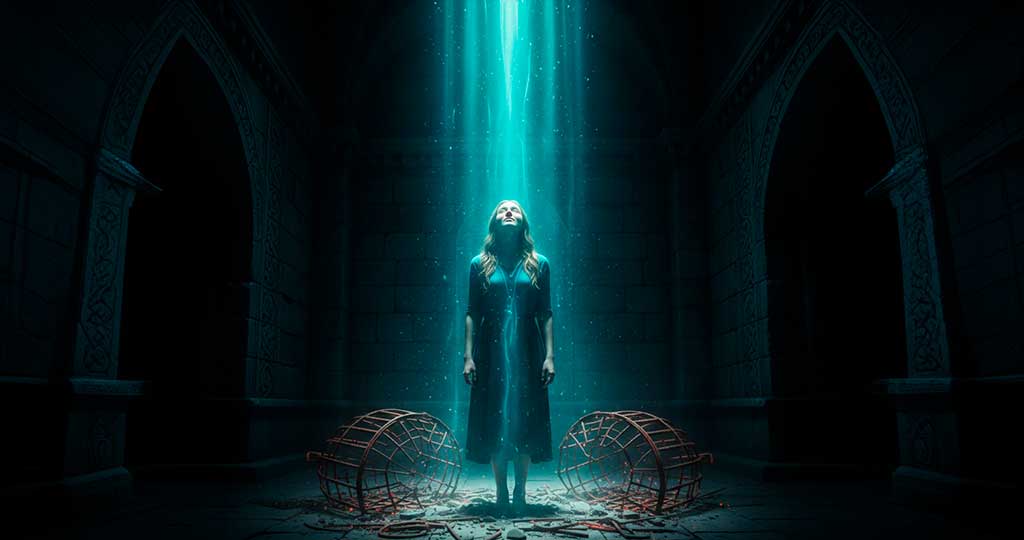
1. Introduction: The Paradox of Devotion We often speak of religious devotion as a climb toward the light, a series of steps that surely lead to peace. But for a young girl growing up in a devout home in Iran, the climb felt more like a descent. A Muslim encounter with the supernatural often starts with a search for purity, but for her, the rituals offered no refuge from her past. Having survived sexual assault by a relative at a tender age, she carried a “defilement” she felt she could never outrun. Driven by this internal agony, she threw herself into the heart of her faith, wearing the chador and performing rituals with frantic precision, only to find that the more she prayed, the more a specific darkness seemed to answer. 2. The “Empty Drum” of Ritualistic Performance The narrator’s transition into deep religiosity was marked by what she calls… read more
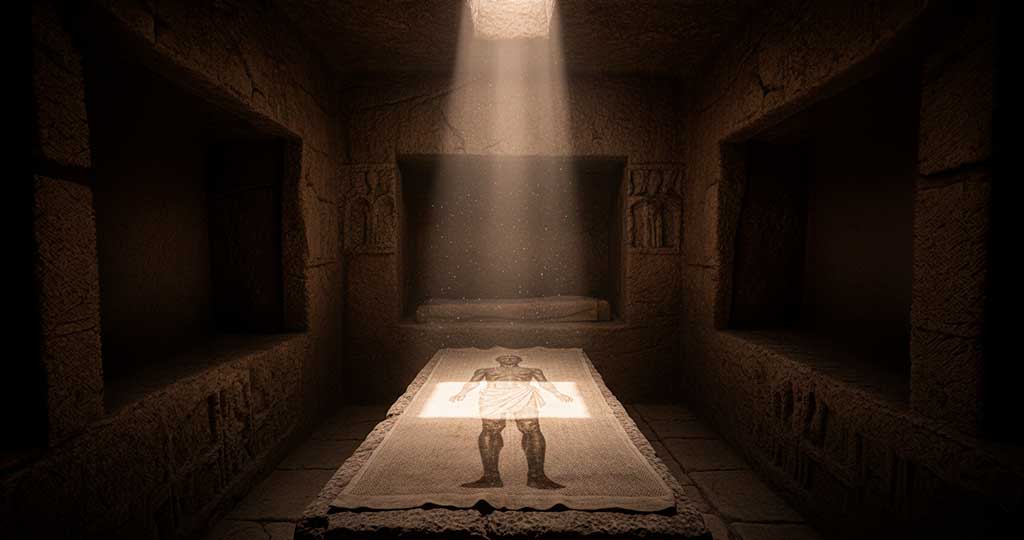
1. Introduction: The Relic That Refuses to Be Debunked If you visit The Kilns, the Oxford home of C.S. Lewis, you might notice an anomalous artifact above the mantle in the bedroom where he died. It is a 1931 photograph of the Shroud of Turin. Lewis, an intellectual giant and an Anglican, kept it there as a daily reminder that “our God has a face.” For a generation, the cloth was relegated to the attic of medieval curiosities, seemingly “debunked” by a 1988 radiocarbon study. However, the tide has turned; being “rational” in the 21st century actually points toward the cloth’s authenticity. It remains the only archaeological artifact that captures the forensic intersection of death, burial, and resurrection in a single piece of linen. 2. The Vanishing Image: A Mystery of Superficiality One of the most baffling physical properties of the cloth is the “8-foot rule.” If a researcher stands… read more


