
The Ancient Debate in a Modern World A persistent skepticism shadows modern theological discourse, often manifesting as the claim that the Trinity was a late-stage pagan invention or a philosophical construct forged at the Council of Nicaea. Critics and “silly goosees” alike argue that the doctrine is a tradition superimposed upon the text rather than a reality derived from it. However, such claims typically rely on a surface-level reading of Scripture. When we move beyond historical labels and engage in rigorous “contextual exegesis,” we find that the plurality of the Godhead is not a later addition, but the internal heartbeat of the biblical narrative. To the cognizant student of the Word, rigorous exploration of the biblical evidence for the Trinity is not an interpretation; it is a literal observation of the text’s own internal context. Identifying the “Grammar” of Trinity Biblical Evidence in Creation The defense of the Trinity does… read more

Apologetics

Interfaith dialogue often exists in a space of polite, academic disagreement—until the final prophet argument hits the tectonic plates of absolute truth claims. The friction begins with a collision of timelines: What happens when the Islamic doctrine of Muhammad as the “Seal of the Prophets” meets the New Testament claim that Jesus Christ is God’s definitive final word? In a recent viral encounter, this tension was laid bare. It wasn’t just a debate over verses; it was a high-stakes investigation into whether a later revelation “completes” what came before or fundamentally alters it. For anyone interested in the mechanics of faith, the speaker’s logic provides a fascinating, sharp-edged look at why these two “finalities” simply cannot occupy the same space. 1. Takeaway 1: The Final Prophet Argument and a Collision of Timelines The theological friction starts with who gets the last word. In the Quran (Surah Al-Ahzab 33:40), Muhammad is… read more

The “Firstborn” Paradox: 3 Counter-Intuitive Lessons from a Viral Theological Debate In the digital arena of live-streamed apologetics, where milliseconds of hesitation can signal a collapsing worldview, few exchanges have been as illuminating as the recent clash between host GodLogic and a caller identified as “Source.” This was not merely a dispute over biblical interpretation; it was a high-stakes demonstration of the friction between traditional dogma and the cold requirements of logical consistency. At the center of the storm was a question that has haunted Christological debates for nearly two millennia: Is it ontologically possible for a “created” being to have brought “all things” into existence? Navigating this riddle brings us face-to-face with the firstborn paradox. The exchange serves as a masterclass in theological journalism, stripping away the linguistic veneer of non-trinitarian arguments to reveal a fundamental category error. By analyzing the “methodological autopsy” performed in this debate, we can… read more

The “Crucifixion” Hadith: Why a Single Verse in Sahih Bukhari is Challenging the Foundation of Islam The most protected secrets of Islam are often hidden in plain sight, tucked away within the very books deemed the “gold standard of authenticity.” For the Muslim faithful, the ultimate word on the fate of Jesus (Isa) is found in Surah 4:157, which categorically denies the crucifixion, claiming it was merely “made to appear” so. Yet, for the seeker of truth, a devastating contradiction lies buried in the heart of the Sahih (authentic) traditions. The central crisis is clear: Islam claims to be the final, corrective revelation, yet it lacks a stable historical or prophetic foundation. When pushed to its logical limits, the Islamic narrative dissolves into a “quicksand of conjecture,” as its own most trusted sources point directly back to the Gospel events they were meant to replace. The Evidence in Sahih Bukhari… read more
For millions of faithful pilgrims, Mecca is the “holiest place on earth,” a destination of ultimate spiritual surrender and the beating heart of a global religion. We are conditioned to see the Hajj through a lens of serene, white-robed unity. However, for those seeking a deeper understanding of the modern Mecca experience, a closer look reveals a startling disconnect between the spiritual ideal and the ground-level reality. Beneath the veneer of ritualistic purity lies an “ocean of trash,” a landscape of environmental decay, and a series of moral and physical hazards that transform a pillar of faith into what some describe as a scene from hell. This report synthesizes the most counter-intuitive and unsettling takeaways from recent investigative accounts, revealing a Mecca that is as much a corporate product as it is a sanctuary. 1. A Crisis of Safety and Etiquette While the Hajj is marketed as a demonstration of… read more
I. Introduction: The Art of Disagreeing Deeply Interfaith dialogue is frequently reduced to a polite exchange of platitudes or a superficial clash of “proof texts.” However, when pursued with intellectual rigor, these conversations reveal a fundamental epistemic conflict. The impasse often lies in the fact that two people can use the same words to describe entirely different realities. To understand the friction between Islam and Christianity, one must examine the underlying “grammar” of their respective faiths. Central to this is the understanding of the biblical Trinity, illustrating how divergent definitions of justice, personhood, and textual integrity shape the search for truth. II. Takeaway 1: “Textual Variance” is Not “Corruption” A primary point of friction concerns the reliability of the Bible. The Muslim perspective often operates on a “letter-for-letter” benchmark of preservation. Christian apologist Avery argues that for the Christian, preservation is defined by the endurance of the core revelation across… read more
Religion is frequently a matter of inheritance rather than investigation. For many, faith consists of a collection of traditions passed down through generations, seldom subjected to the rigors of historical or textual scrutiny. However, when the primary sources of Islam and Christianity are placed in direct dialogue, a series of logical and theological crossroads emerge. This tension is often referred to as the Islamic Dilemma—a specific logical trap where the Quran’s own verses appear to undermine its authority by validating the very scriptures that contradict its core message. The following takeaways distill high-impact theological debates, highlighting the inconsistencies that arise when believers move beyond modern commentaries and engage directly with the claims of their own texts. 1. The Uncreated Nature of Jesus (The “Word” Paradox) A central pivot point in this interfaith dialogue is the ontological status of Jesus. While standard Islamic teaching classifies Jesus as a mere human prophet,… read more

1. The Unspoken Name of The Jewish Messiah In the hushed domesticity of many Jewish and Middle Eastern households, the name “Jesus” is not merely a theological disagreement; it is a linguistic third rail. For many, the concept of the Jewish Messiah serves as a cultural cuss word, a name scrubbed from conversation to protect the invisible but impenetrable partitions of Sephardic, Persian, or Ashkenazi identity. As Liat, a woman raised near Tel Aviv, recalls, “Jesus was a cuss word… I grew up not being able to say that name.” Yet, a quiet but profound shift is occurring. For a growing cadre of intellectuals and skeptics, investigating this figure has resulted in a startling realization: finding this figure was not a betrayal of their roots, but a return to them. 2. The “Best-Kept Secret” of the New Testament’s Jewishness For the uninitiated, the first encounter with the New Testament is… read more
1. Introduction: The Forgotten Conversation about Jewish Messiah For many within the Jewish community, the figure of Jesus (Jewish Messiah)—or more accurately, Yeshua—is viewed through the lens of a centuries-old divorce. We are taught that “Jews don’t believe in Jesus,” and to many, he feels like a foreign, Gentile export, a figure fundamentally detached from the life and liturgy of Israel. This disconnect, however, is largely a product of history, specifically the divergence between the Second Temple era and modern rabbinic Judaism. If we peel back the layers of tradition and return to the Tanakh (the Hebrew Scriptures), we discover a “forgotten conversation.” We find that the most essential concepts of the Messianic faith are not Christian inventions, but are deeply rooted in our foundational texts. From the nature of God’s unity to the necessity of a mediator, the evidence suggests that Yeshua is not a departure from the Jewish path, but its ultimate destination. 2. The… read more
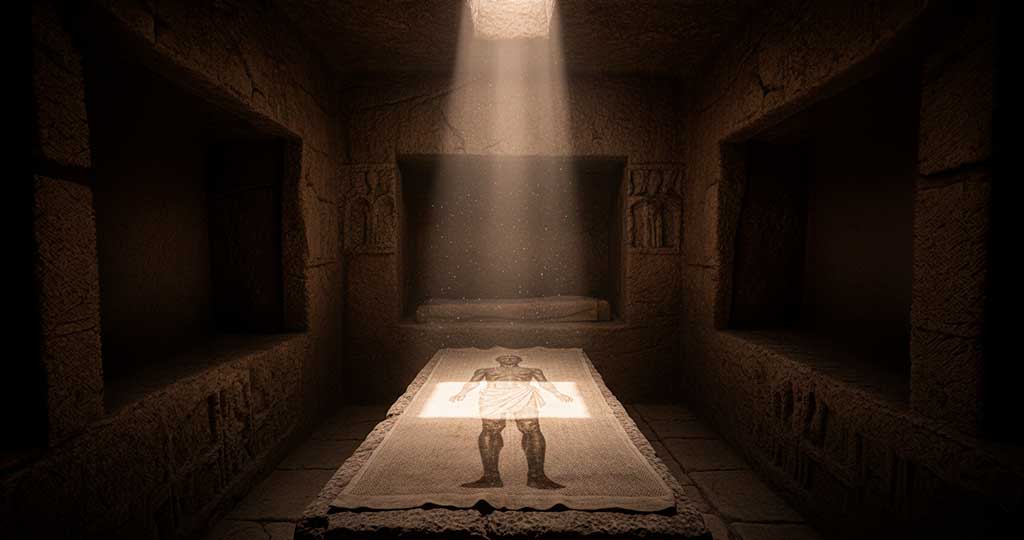
1. Introduction: The Relic That Refuses to Be Debunked If you visit The Kilns, the Oxford home of C.S. Lewis, you might notice an anomalous artifact above the mantle in the bedroom where he died. It is a 1931 photograph of the Shroud of Turin. Lewis, an intellectual giant and an Anglican, kept it there as a daily reminder that “our God has a face.” For a generation, the cloth was relegated to the attic of medieval curiosities, seemingly “debunked” by a 1988 radiocarbon study. However, the tide has turned; being “rational” in the 21st century actually points toward the cloth’s authenticity. It remains the only archaeological artifact that captures the forensic intersection of death, burial, and resurrection in a single piece of linen. 2. The Vanishing Image: A Mystery of Superficiality One of the most baffling physical properties of the cloth is the “8-foot rule.” If a researcher stands… read more

1. Introduction: The Messenger Who Claims to Be the King In the shimmering heat of the Midianite desert, Moses encountered a sight that defied the natural order: a bush that burned but was not consumed. Yet, the greater mystery lay not in the fire, but in the voice. The text of Exodus tells us that “the Angel of the Lord” appeared in the flame, yet this messenger immediately identified Himself as “the God of Abraham.” This presents a profound theological paradox. How can a being be sent by God and yet speak, act, and receive worship as God? For centuries, scholars have utilized the term Christophany—a pre-incarnate appearance of Jesus Christ—as the master key to unlock this ancient puzzle. It suggests that long before the Incarnation in Bethlehem, the second person of the Trinity was serving as the visible presence of the invisible Father. 2. When an Angel Says “I… read more

The journey of faith often begins with an attraction to discipline. For many “reverts”—those who come to Islam from secular or military backgrounds—the structured life of prayer (salah), the clear moral boundaries, and the sense of absolute devotion provide a sanctuary in a chaotic world. Yet, for some, this honeymoon period is met with a “wall of silence.” Consider the experience of a Hispanic veteran who recently shared his struggle on the GodLogic platform. Despite his military-honed discipline and passion for his new faith, he found himself “shunned” by a community that viewed his non-Middle Eastern background with suspicion. Isolated, he was forced to learn the basic requirements of salah on his own, using only the most basic standards available. This isolation becomes a crucible when a seeker’s drive for truth leads them to investigate historical documentation and the Sahih sources that religious leadership frequently labels as “anti-Islamic propaganda.” 1…. read more
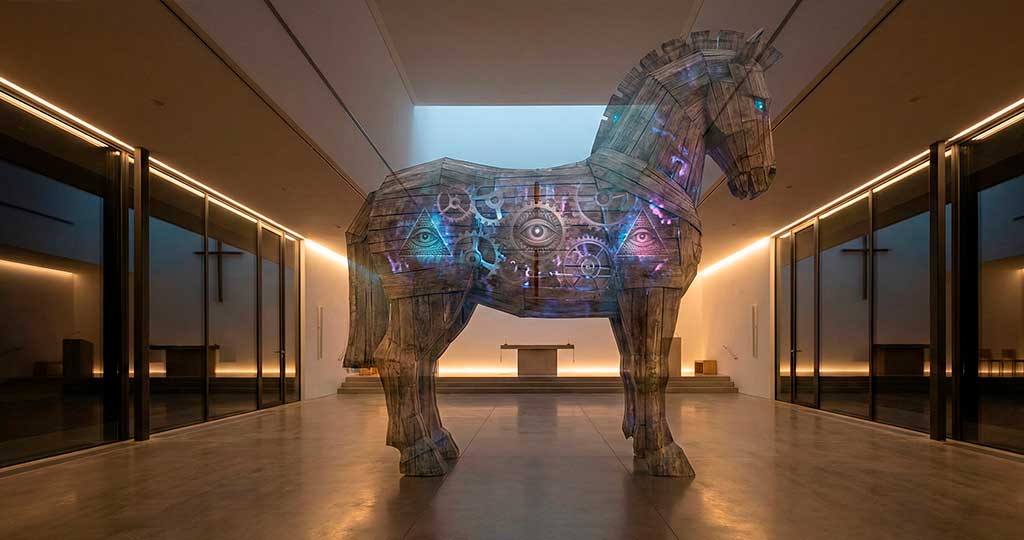
1. Introduction: The Spiritual Trojan Horse Many modern seekers hold beliefs they consider “progressive” or “spiritual,” unaware that they are participating in a New Thought movement with deep historical and metaphysical roots. This influence operates through “Happy Lies”—ideological Trojan horses that appear attractive and empowering on the outside but harbor a syncretic deception within. These beliefs promise personal authority and manifestation, yet they are often a subtle rebranding of ancient ideas that function as something entirely different from traditional faith. By analyzing the mechanics of this hidden influence, we can see how it has shaped a world that is increasingly self-obsessed while remaining ontologically adrift. 2. New Thought Movement vs. New Age: Why the “Christian” Version is More Dangerous There is a critical distinction between the “New Age” movement and the New Thought movement. New Age is generally recognizable as occultic, rooted in Eastern mysticism, Hinduism, and Buddhism. It is… read more
Introduction: The Relatable Objection 5 Surprising Reasons the Quran Validates the Gospels. If you have ever shared your faith with a Muslim, you have likely encountered the “Standard Narrative”: the Bible is corrupted (tahrif), the Apostle Paul subverted the message of Jesus, and the Gospels we possess are unreliable because they are “anonymous.” This framework is designed to dismiss the New Testament out of hand, replacing the historical record with a “phantom Injil”—a lost revelation that supposedly looked exactly like modern Islam. Both “Injil” and “Injeel” refer to the same concept: the Gospel revealed to Jesus in Islamic belief; the difference is just spelling in English. When faced with this, most Christians default to a defensive posture, citing manuscript variants or early Church Fathers. However, the “GodLogic” approach advocates for a proactive tactical shift. Instead of immediately defending the Bible, we subject the Islamic position to its own criteria. This… read more

Introduction: Myths vs. Reality Ask ten people how the Bible was formed, and you’ll likely get ten different answers, most of them shaped by Hollywood fiction and cynical soundbites. It’s often viewed as a book whose contents were decided by a shadowy committee, a text so riddled with errors that its original message is lost. These are myths of convenience—oversimplifications that make it easy to dismiss the text without serious engagement. However, understanding the Bible’s origins reveals a foundation that is far more surprising and intellectually robust. The story of how the Bible came to be—from its composition and recognition to its transmission and core theology—challenges these popular caricatures. This article will explore four of the most impactful and counter-intuitive truths about the Bible’s origins and reliability, dismantling the myths and revealing a more compelling reality. 1. The Bible’s Origins Show Books Were Recognized, Not Picked The popular image of… read more
1.0 Introduction: The Unshakeable Pillar of Monotheism The absolute oneness of God is the bedrock of Islam. It is the first and most fundamental principle, a concept understood as the unshakeable pillar upon which the entire faith rests. This core doctrine of monotheism—that God is a single, indivisible being—is universally accepted and central to Muslim identity. But what if a leading Islamic thinker, navigating the metaphysical tightrope of a high-stakes debate, made an argument that seemed to splinter that divine oneness into dozens of separate realities? This is precisely the scenario that unfolded in a recent discussion concerning the 99 ontologies, leading to a cascade of contradictions that has shocked many observers. This post will explore three key takeaways from a debate that raised profound and uncomfortable questions about the nature of God in Islamic philosophy. 2.0 Takeaway 1: The 99 Ontologies Admission and Multiple Realities The discussion featured “Jake… read more
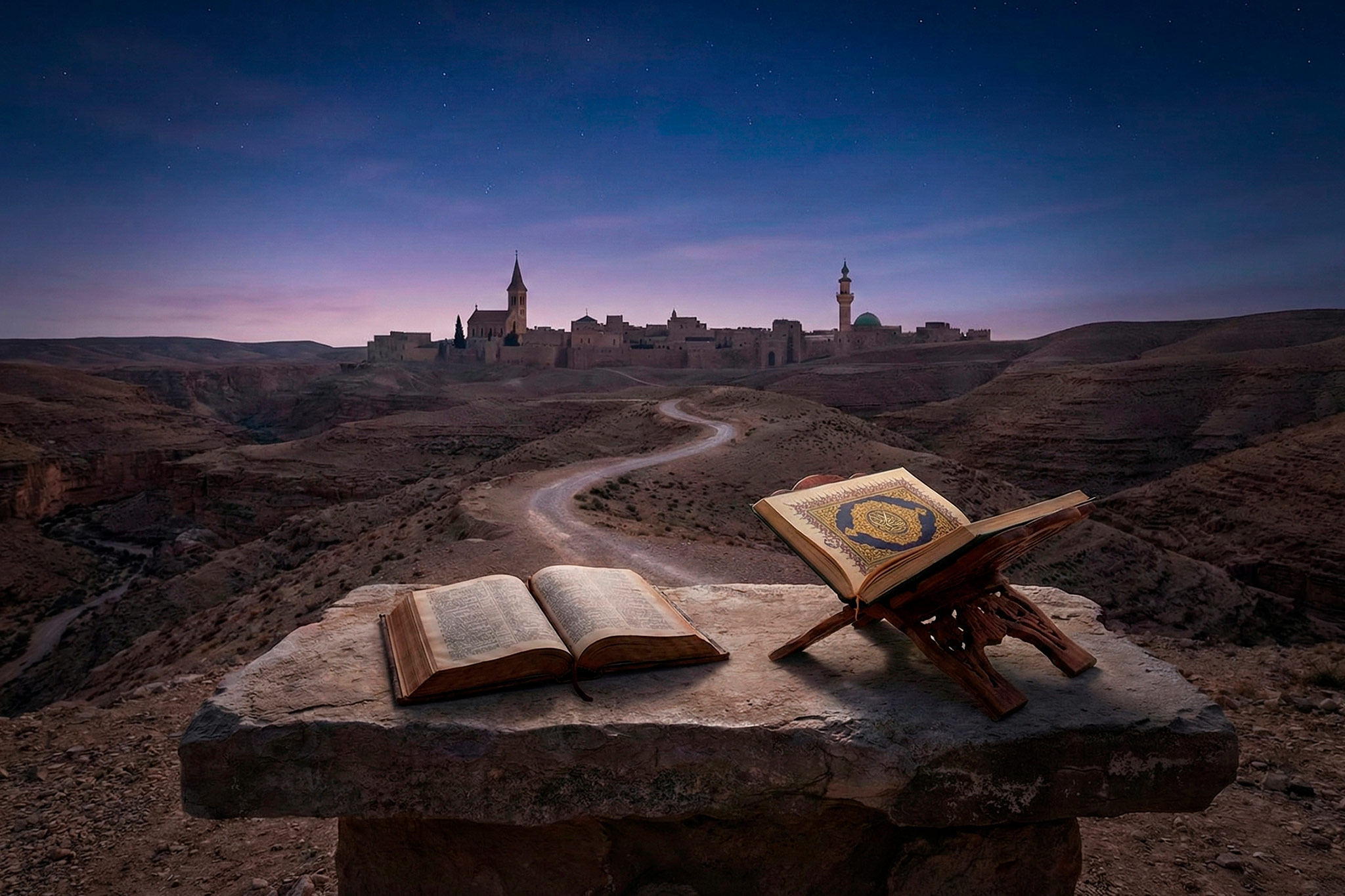
Beyond the Sunday School Stories For many, the Bible and Quran are familiar in name only. We may know the most famous stories—Noah’s ark, Moses parting the sea, or the night journey of a prophet—but this surface-level awareness often obscures the more complex and challenging realities embedded within these texts and their histories. The common narratives we inherit are often simplified, smoothed over, and sanitized.
When engaging in interfaith dialogue, we often hear that Islam and Christianity simply have different views on Jesus. But a closer look at history reveals something far more intentional. The Gospels were written in the first century, establishing the identity of Jesus Christ through eyewitness testimony. The Quran arrived six centuries later.

The internet is littered with the digital wreckage of religious debates. What often starts as a discussion (Muhammad in the Bible) about faith quickly devolves into a shouting match of disconnected proof-texts and personal attacks. Genuine, intellectually honest conversations—where listening is valued as much as speaking—are exceptionally rare.
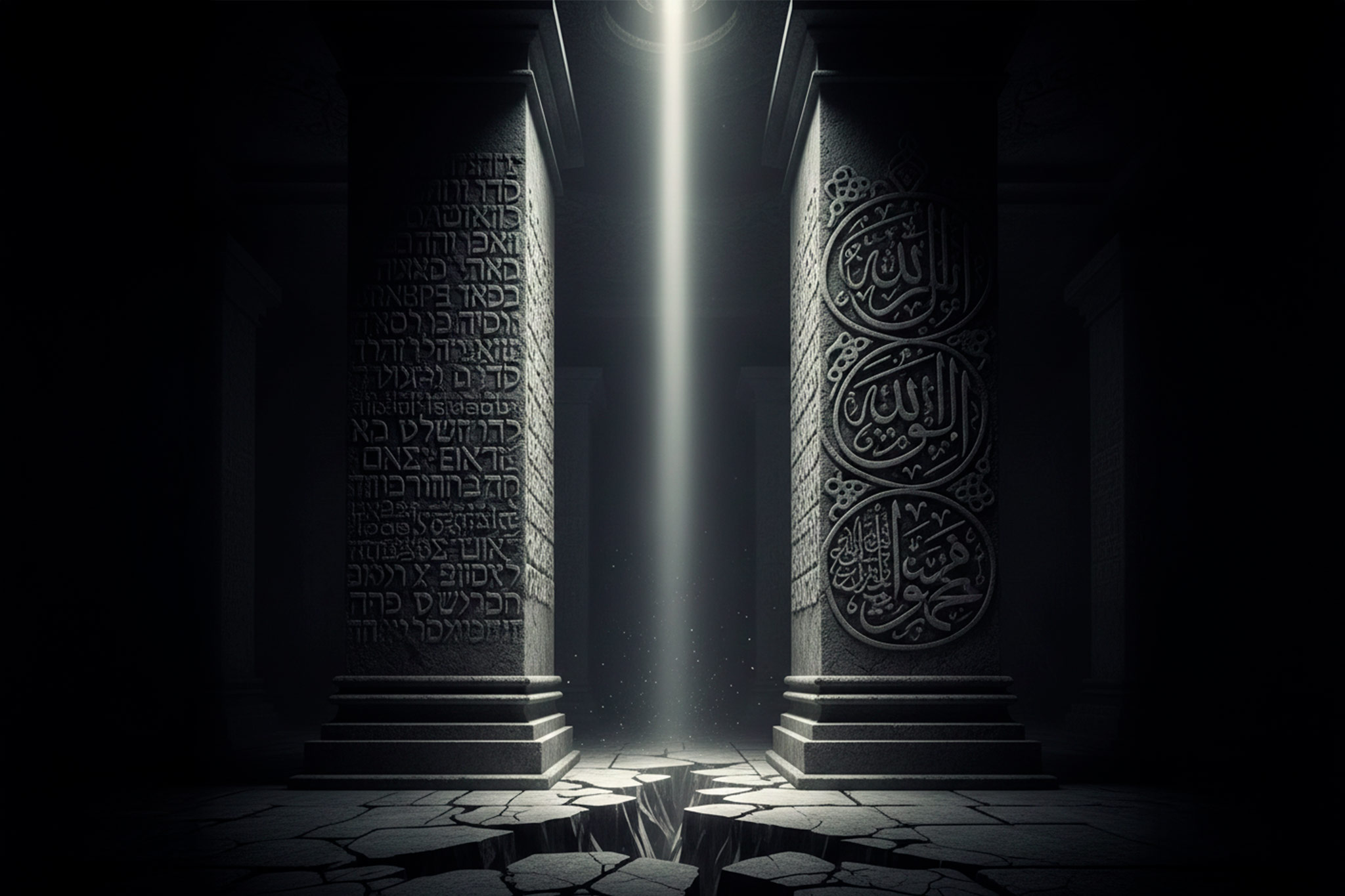
Discover the Islamic Dilemma: A logical challenge exploring how the Quran’s affirmation of the Bible contradicts its own message. Can both be true? Explore the evidence.
Imagine converting to a new faith, only to encounter a foundational challenge (The Islamic Dilemma) you’ve never considered. That was the reality for “Elijah,” a new Muslim since November of last year, when he entered a live discussion and came face-to-face with a powerful logical problem.
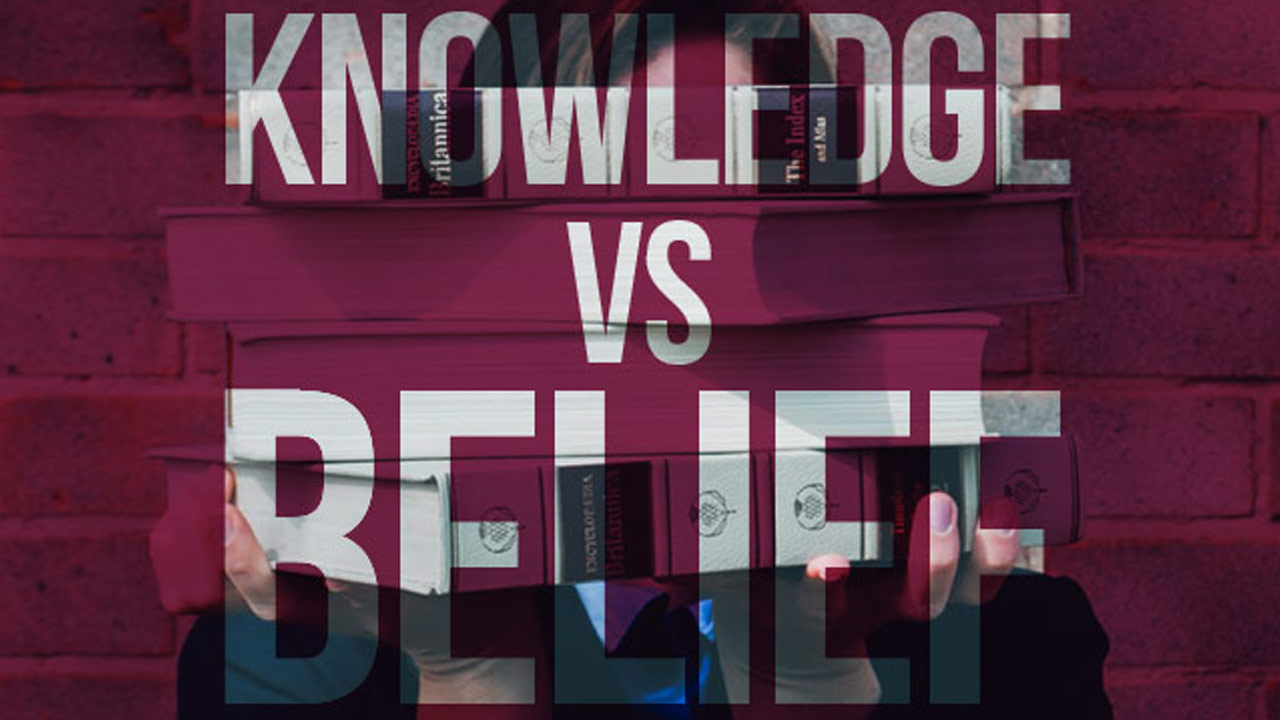
Gist: Clarifying a very popular view about the topic Article 13 (from my latest book, A Controversial Clergyman) It is too widespread a confusion for me to leave it unchallenged. I am talking about the claim that belief is inferior to knowledge (without more, as lawyers would say). Michael Abrahams’ column in the Gleaner yesterday (July 9, 2018) betrayed this confusion and I had to deal with it in passing in a public forum at UTECH in 2001 involving Dr. Leahcim Semaj and Mutabaruka. Every statement purporting to be fact or true is a belief. Indeed, if you call to mind the basic moods in English language sentences, then if it is not a question (interrogative mood), a command (imperative mood), a wish (subjunctive mood), then it is in the indicative mood (an assertion, claiming something). Every such assertion or claim qualifies as a belief, but since some beliefs are quite… read more
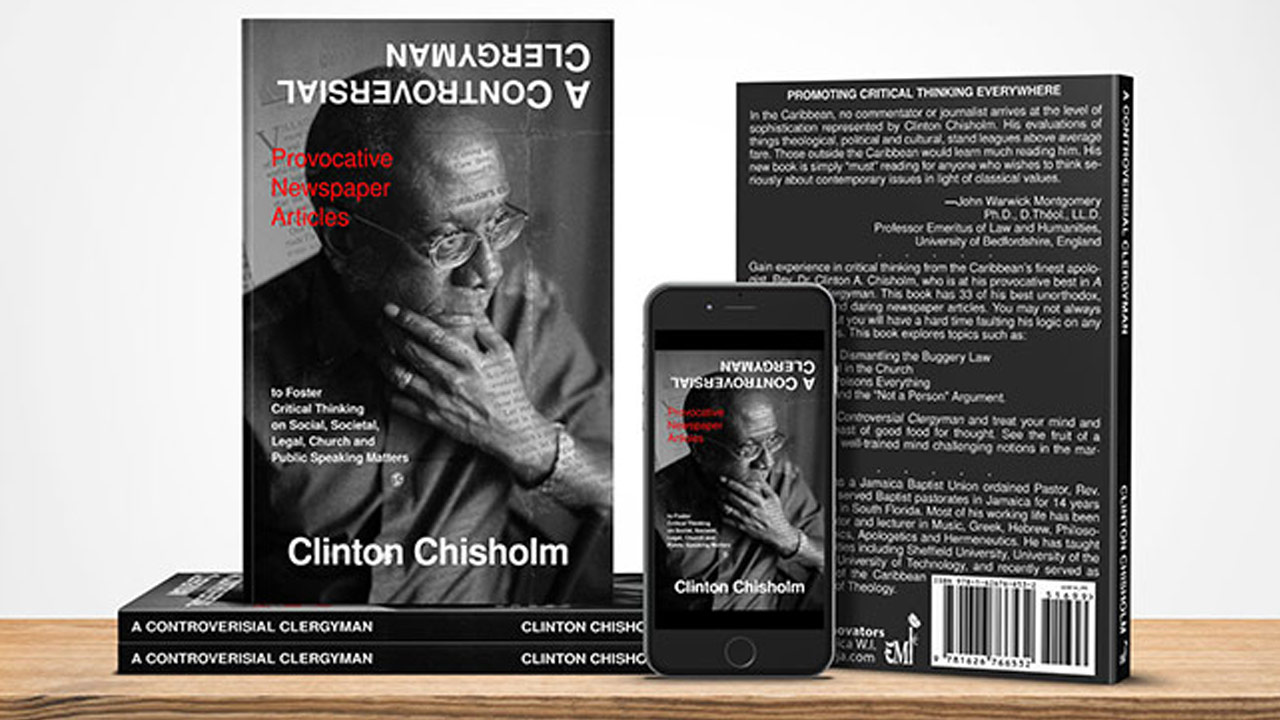
Check out the new book, A Controversial Clergyman, by Rev. Dr. Clinton Chisholm. Now available on Amazon.com. A Controversial Clergyman showcases, provocative Newspaper Articles to Foster Critical Thinking on Social, Societal, Legal, Church and Public Speaking Matters. Promoting Critical Thinking Everywhere In the Caribbean, no commentator or journalist arrives at the level of sophistication represented by Clinton Chisholm. His evaluations of things theological, political and cultural, stand leagues above average fare. Those outside the Caribbean would learn much reading him. His new book is simply “must†reading for anyone who wishes to think seriously about contemporary issues in light of classical values. John Warwick Montgomery, Ph.D., D.Th©ol., LL.D. Professor Emeritus of Law and Humanities, University of Bedfordshire, England Gain experience in critical thinking from the Caribbean’s finest apologist, Rev. Dr. Clinton A. Chisholm. who is at his provocative best in A Controversial Clergyman. This book has 33 of his best… read more
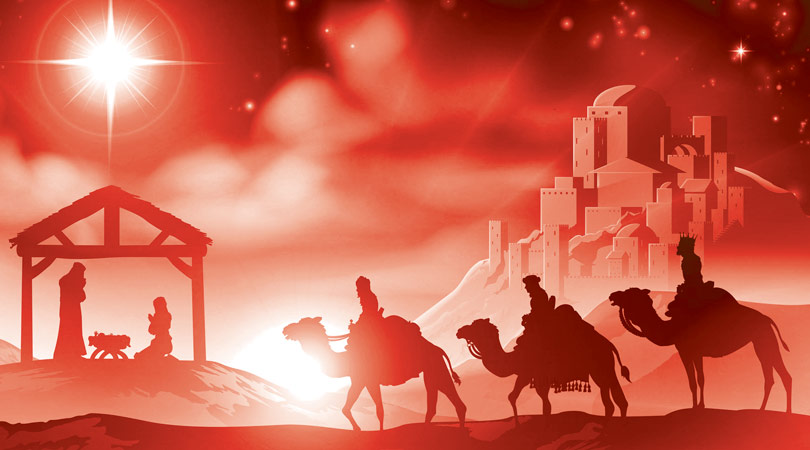
The more popular claims of borrowing or influence between Christianity and the mysteries pertain to the birth/death/resurrection of Jesus Christ. What were the mystery religions? The mystery religions (contrary to George James’ book Stolen Legacy: Greek Philosophy is Stolen Egyptian Philosophy) were really Hellenistic religions, called ‘mystery’ because they involved secret ceremonies that were thought to bring their initiates some special benefits. They were more or less based on the annual vegetation cycle of life (spring) and death (fall). Each religion originated from different areas. From Mesopotamia—Tammuz or Dumuzi (the Sumerian version); from Egypt—the cult of Isis and Osiris (later called Serapis); from Greece—the cults of Demeter and Dionysus which later developed into the Eleusinian and Orphic mystery religions; from Phrygia in Asia Minor—the cult of Cybele and Attis; from Syria/Palestine—the cult of Adonis and from Persia (modern Iran)—the cult of Mithra (twin brother of the Zoroastrian god Ahura Mazda). Before responding… read more


