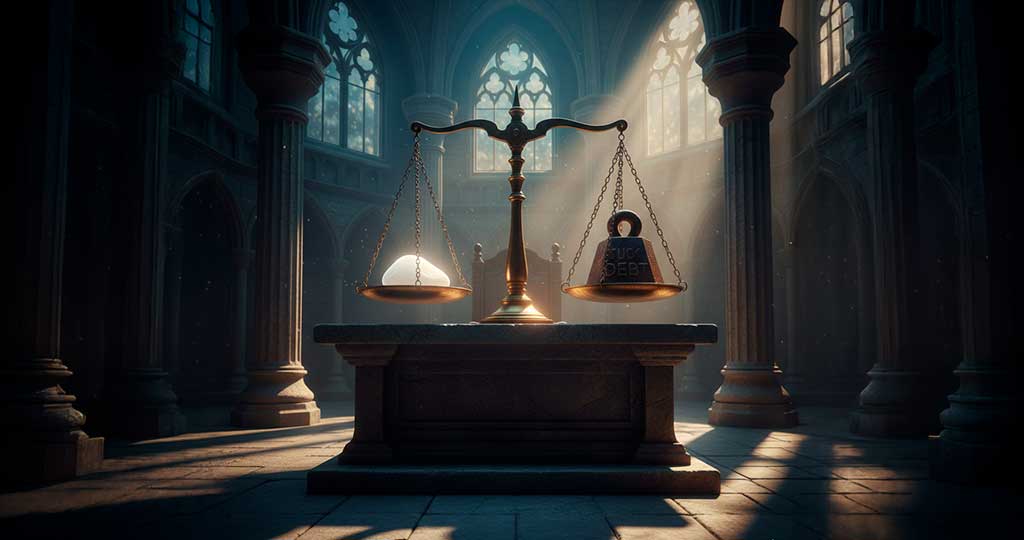
I. Introduction: The Art of Disagreeing Deeply Interfaith dialogue is frequently reduced to a polite exchange of platitudes or a superficial clash of “proof texts.” However, when pursued with intellectual rigor, these conversations reveal a fundamental epistemic conflict. The impasse often lies in the fact that two people can use the same words to describe entirely different realities. To understand the friction between Islam and Christianity, one must examine the underlying “grammar” of their respective faiths. Central to this is the understanding of the biblical Trinity, illustrating how divergent definitions of justice, personhood, and textual integrity shape the search for truth. II. Takeaway 1: “Textual Variance” is Not “Corruption” A primary point of friction concerns the reliability of the Bible. The Muslim perspective often operates on a “letter-for-letter” benchmark of preservation. Christian apologist Avery argues that for the Christian, preservation is defined by the endurance of the core revelation across… read more

life lessons
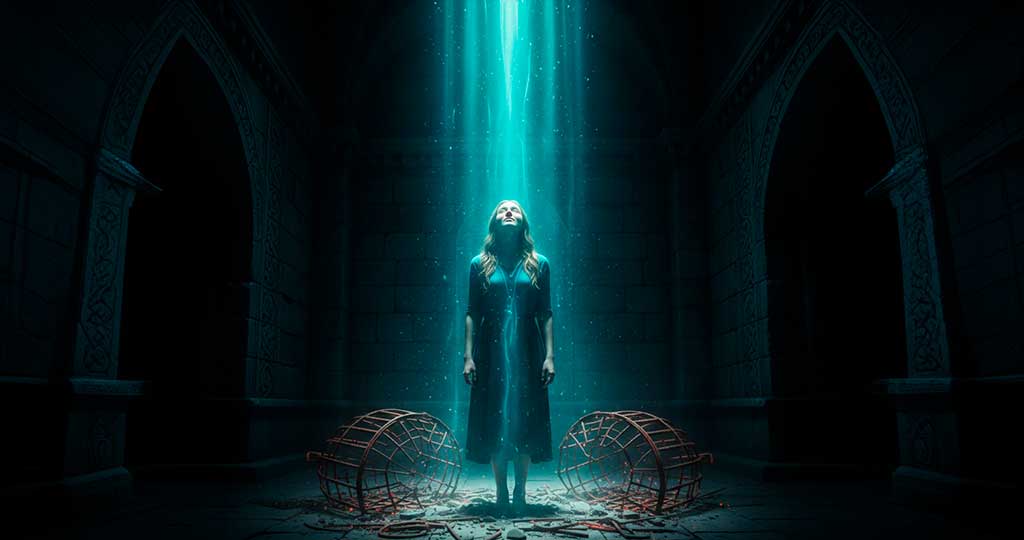
1. Introduction: The Paradox of Devotion We often speak of religious devotion as a climb toward the light, a series of steps that surely lead to peace. But for a young girl growing up in a devout home in Iran, the climb felt more like a descent. A Muslim encounter with the supernatural often starts with a search for purity, but for her, the rituals offered no refuge from her past. Having survived sexual assault by a relative at a tender age, she carried a “defilement” she felt she could never outrun. Driven by this internal agony, she threw herself into the heart of her faith, wearing the chador and performing rituals with frantic precision, only to find that the more she prayed, the more a specific darkness seemed to answer. 2. The “Empty Drum” of Ritualistic Performance The narrator’s transition into deep religiosity was marked by what she calls… read more


