
The “uncanny valley” is the graveyard of most AI filmmaking projects. We’ve all seen the symptoms: the “floaty” movements, temporal artifacts, and sudden character morphing that occurs when the model loses track of the latent space. To the casual user, it looks like a glitch; to a Senior Creative Technologist, it’s a sign that the creator is still using “training wheels” workflows. The magic isn’t in a single, complex prompt—it’s in the technical “hacker” pipelines that treat AI as a visual effects department rather than a magic wand. If you want to move beyond jittery generations and into intentional, cinematic AI filmmaking, you have to stop asking the AI to “make a movie” and start directing it through specific, post-production-inspired workflows. Takeaway 1: Stop Prompting, Start Storyboarding for Consistent AI Filmmaking Maintaining character consistency across shots is the hardest problem in AI filmmaking. If you generate shots individually, the “seed”… read more

Godserv Designs

The journey of faith often begins with an attraction to discipline. For many “reverts”—those who come to Islam from secular or military backgrounds—the structured life of prayer (salah), the clear moral boundaries, and the sense of absolute devotion provide a sanctuary in a chaotic world. Yet, for some, this honeymoon period is met with a “wall of silence.” Consider the experience of a Hispanic veteran who recently shared his struggle on the GodLogic platform. Despite his military-honed discipline and passion for his new faith, he found himself “shunned” by a community that viewed his non-Middle Eastern background with suspicion. Isolated, he was forced to learn the basic requirements of salah on his own, using only the most basic standards available. This isolation becomes a crucible when a seeker’s drive for truth leads them to investigate historical documentation and the Sahih sources that religious leadership frequently labels as “anti-Islamic propaganda.” 1…. read more

1. Introduction: The Spiritual Trojan Horse Many modern seekers hold beliefs they consider “progressive” or “spiritual,” unaware that they are participating in a New Thought movement with deep historical and metaphysical roots. This influence operates through “Happy Lies”—ideological Trojan horses that appear attractive and empowering on the outside but harbor a syncretic deception within. These beliefs promise personal authority and manifestation, yet they are often a subtle rebranding of ancient ideas that function as something entirely different from traditional faith. By analyzing the mechanics of this hidden influence, we can see how it has shaped a world that is increasingly self-obsessed while remaining ontologically adrift. 2. New Thought Movement vs. New Age: Why the “Christian” Version is More Dangerous There is a critical distinction between the “New Age” movement and the New Thought movement. New Age is generally recognizable as occultic, rooted in Eastern mysticism, Hinduism, and Buddhism. It is… read more

Introduction: The Relatable Objection 5 Surprising Reasons the Quran Validates the Gospels. If you have ever shared your faith with a Muslim, you have likely encountered the “Standard Narrative”: the Bible is corrupted (tahrif), the Apostle Paul subverted the message of Jesus, and the Gospels we possess are unreliable because they are “anonymous.” This framework is designed to dismiss the New Testament out of hand, replacing the historical record with a “phantom Injil”—a lost revelation that supposedly looked exactly like modern Islam. Both “Injil” and “Injeel” refer to the same concept: the Gospel revealed to Jesus in Islamic belief; the difference is just spelling in English. When faced with this, most Christians default to a defensive posture, citing manuscript variants or early Church Fathers. However, the “GodLogic” approach advocates for a proactive tactical shift. Instead of immediately defending the Bible, we subject the Islamic position to its own criteria. This… read more

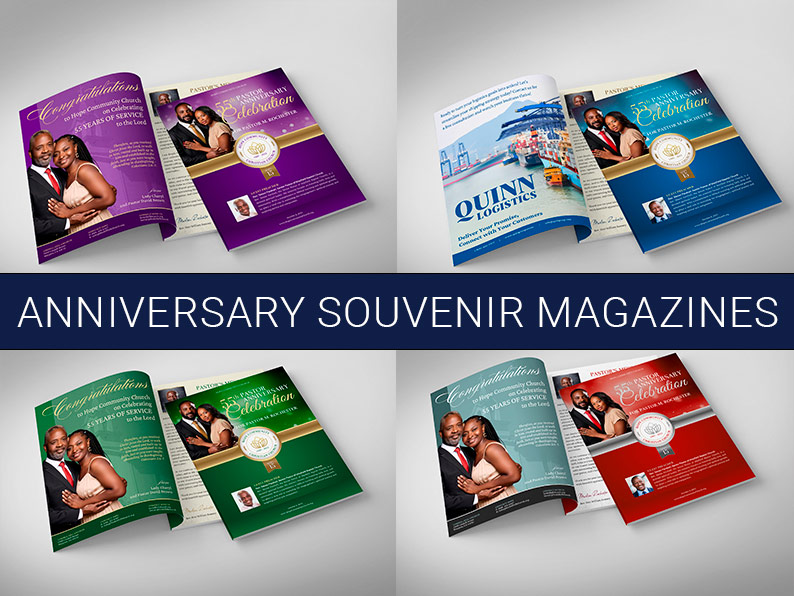
Transform your church anniversary or special event with professional souvenir magazines that both honor your occasion and generate much-needed funds. Example of a Church Anniversary Souvenir Magazine Template Anniversary celebrations represent significant milestones in the life of any church or religious organization. Whether commemorating a church’s founding, a pastor’s years of service, or any other noteworthy occasion, these moments deserve to be documented and remembered. Anniversary Souvenir Magazines have emerged as one of the most effective ways to both celebrate these occasions and raise substantial funds for your ministry. Godserv Designs offers a collection of professionally designed souvenir magazine templates that can transform your anniversary celebration into a memorable keepsake while serving as a powerful fundraising tool. This comprehensive guide explores the benefits, features, and strategic usage of these versatile publications. What Are Anniversary Souvenir Magazines? Anniversary Souvenir Magazines are multi-page, magazine-style publications created specifically for commemorative events such as… read more

When it comes to celebrating the life of a loved one with deep Caribbean roots, a Jamaican funeral program offers more than just information — it reflects culture, color, and connection. These programs often blend rich island traditions with heartfelt tributes, capturing the spirit of the person being remembered. Whether you’re organizing a funeral in Jamaica, planning a memorial in the U.S. for a Jamaican relative, or simply honoring Caribbean heritage, using a funeral program that reflects tropical style and vibrant themes can make the occasion feel more personal and meaningful. In Jamaican and broader Caribbean funerals, you’ll often find a unique fusion of faith, music, and family. The funeral program, sometimes called an order of service, serves as both a keepsake and a guide for the memorial ceremony. Including beautiful imagery like tropical flowers, sunsets, beaches, and national symbols such as the hummingbird or Jamaican flag can help capture… read more
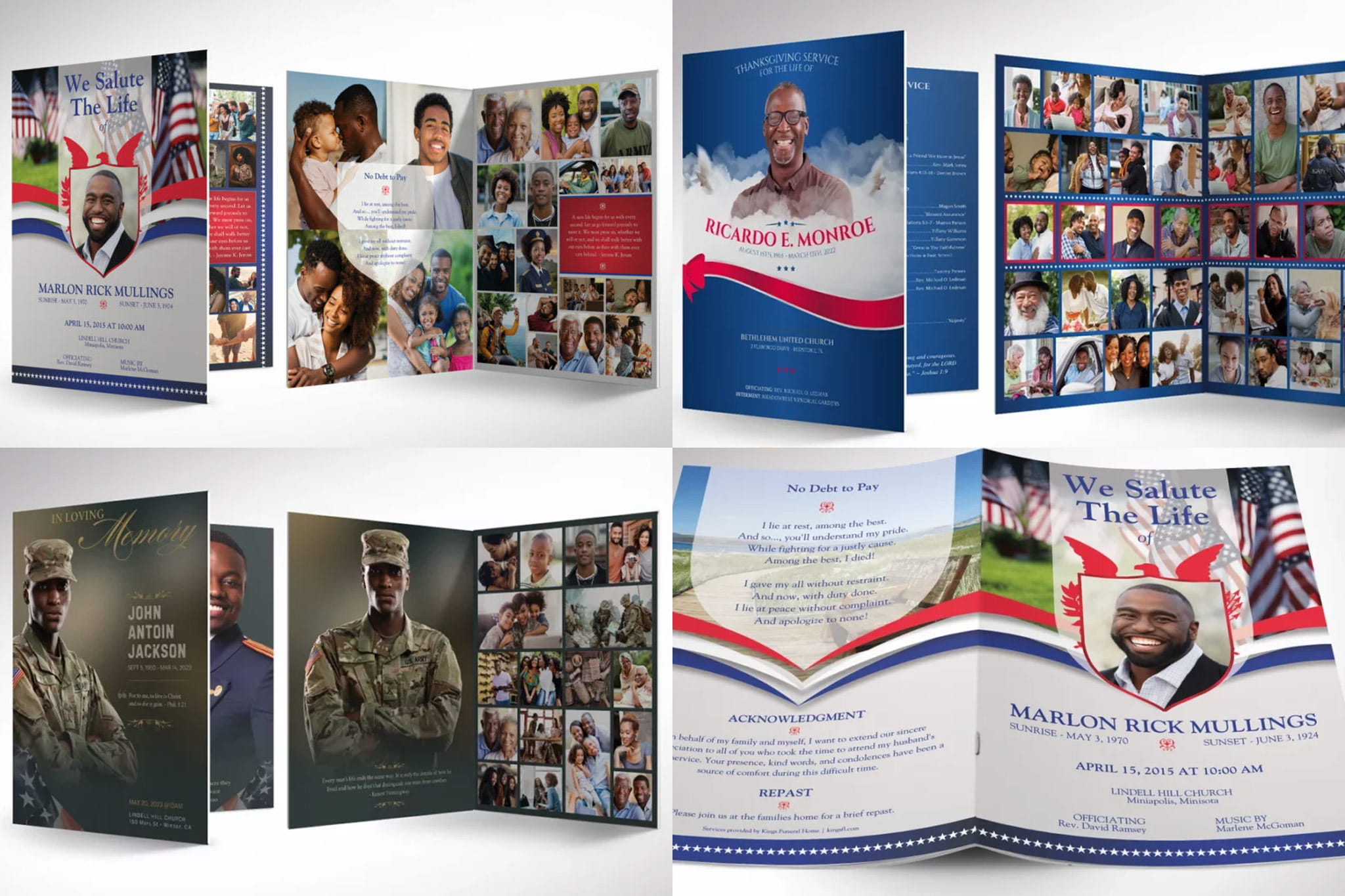
In times of grief and mourning, a funeral program serves as a touching tribute to a loved one who has passed away. Especially when commemorating the life of a military personnel or veteran, a funeral program becomes a significant element in the Celebration of Life, reflecting the honor and dignity they embodied in their service. This blog will guide you through everything you need to know about US Military funeral programs, from their purpose and significance to customization options and key elements to include. What is a Funeral Program? A funeral program, also known as an order of service, obituary template, or memorial service brochure, is a printed document that outlines the schedule of events during a funeral service. It typically includes key information such as: Other Occasions for Using a Funeral Program While funeral programs are primarily used for memorial services, they can also be adapted for other significant… read more
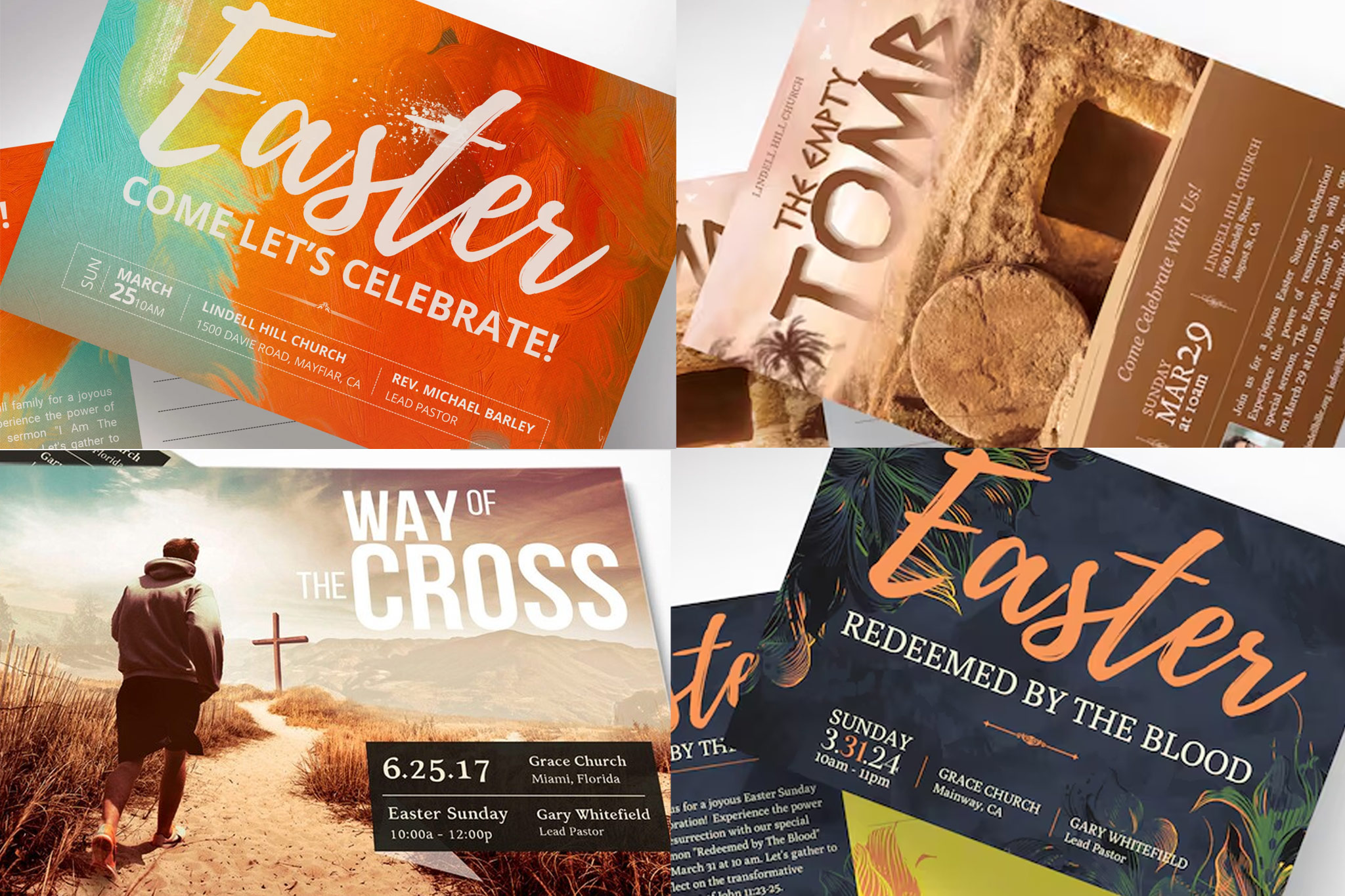
The Easter season is a time of joy, reflection, and celebration, and what better way to spread the good news than through visually captivating and spiritually uplifting marketing materials? In this blog post, we’ve curated a list of 26 Easter Church Marketing Flyers and Postcards designed for Canva by Godserv Designs, available on Etsy. These templates are not just visually stunning; they are crafted with a deep understanding of the essence of Resurrection Day, making them perfect for Easter Sunday services, as well as other events like plays, cantatas, and pageants throughout the Lenten season. The Significance of Easter Marketing Marketing Easter Sunday services holds immense value for churches. It’s a time when communities come together to celebrate the central event of the Christian faith – the resurrection of Jesus Christ. Utilizing visually appealing and thoughtfully designed marketing materials enhances the reach and impact of these celebrations. Godserv Designs’ Canva… read more


🖥️ Elevate Your Microsoft Word Design Game! 🎨 Godserv Designs brings you an engaging tutorial on the art of inserting images into shapes, unlocking a world of creative possibilities. Perfect for beginners and design enthusiasts alike, this step-by-step video guide showcases the process using the Blue Sky Funeral Program Template but extends its application to a variety of design projects. Learn to seamlessly inserting images and customizing images within specific shapes, giving your documents a polished and professional look. Quick, easy, and packed with valuable tips, this tutorial is a must-watch for those seeking to enhance their Microsoft Word design skills. For a hands-on experience, check out the tutorial here and elevate your design game today! 🚀

Welcome to a journey through the lush gardens of the Bible, where flowers in the bible bloom with profound symbolism and offer us glimpses of God’s awe-inspiring creation. Each petal whispers a story, each bloom a testament to the divine artistry that surrounds us. Join me as we explore the bounty and beauty of God’s garden. 1. Lily (Lilium): In the Song of Solomon, we encounter the Lily, symbolizing purity and beauty. “I am the rose of Sharon, and the lily of the valleys” (Song of Solomon 2:1). Like the Lily, may our lives bloom with the fragrance of righteousness. 2. Rose (Rosa): Isaiah paints a poetic picture of the wilderness rejoicing and blossoming. “The desert and the parched land will be glad; the wilderness will rejoice and blossom” (Isaiah 35:1-2). The Rose of Sharon and the Lily of the valleys, symbols of Christ’s beauty and love, grace these verses…. read more

In the Gospel of John, we encounter a profound moment that speaks volumes about humility, servanthood, and the transformative power of love. In John 13:3-15 (ESV), we witness Jesus, the Son of God, taking on the role of a humble servant as he washes the feet of his disciples. This act not only serves as a practical demonstration of cleansing but also holds deep spiritual significance. Understanding the Cultural Context To fully appreciate the weight of this gesture, it’s crucial to consider the cultural context of Jesus’ time. In ancient Israel, the climate and terrain often left feet dusty and soiled. It was customary for individuals, upon entering a home, to remove their sandals and have their feet washed. In wealthier households, this task was typically assigned to servants. The act of footwashing was not only a practical necessity but also a symbol of hospitality and respect. The Power of… read more

In a world filled with uncertainty and challenges, the commandment to “not worry” may seem easier said than done. Yet, as Christians, we are called to trust in the Lord’s providence and find solace in His promises. Matthew 6:26 (ESV) serves as a powerful reminder of God’s care for His creation: “Look at the birds of the air: they neither sow nor reap nor gather into barns, and yet your heavenly Father feeds them. Are you not of more value than they?” Fluffy Pastel Bird Images were created on NightCafe Trusting in God’s Provision: This verse encourages us to reflect on the simple yet profound truth that God, as our heavenly Father, cares for His creation. The imagery of birds, which do not toil for their sustenance but are still provided for by God, reminds us that we, as children of God, are of much greater value to Him. This… read more
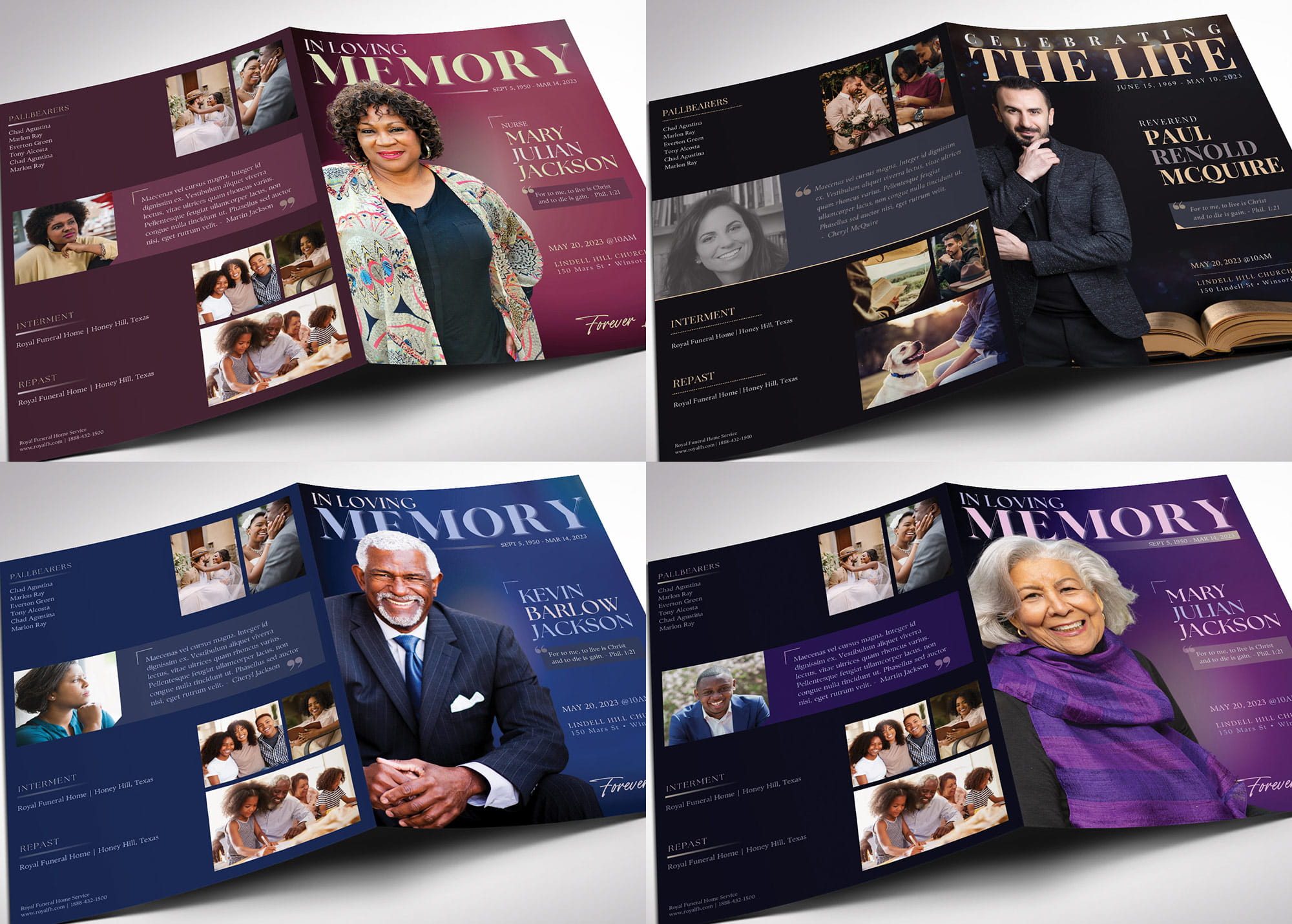
Are you looking for an easy and creative way to memorialize a loved one? A magazine style funeral program template can be a great resource to convey the life and accomplishments of your relative. Instead of relying on a generic program design, create something unique and special to celebrate the life of the person you are commemorating. In this article, we’ll provide a list of the best funeral program templates available, and describe the funeral program magazines. With the right template, you can create a simple yet beautiful digital magazine that honors the memory of your loved one. Not only do funeral program templates for Canva look amazing, but they are also incredibly easy to use. With an intuitive drag-and-drop editor, you can customize the layout to fit your needs. Include meaningful photos and inspirational stories that capture the essence of the person you’re honoring. With powerful text formatting options,… read more
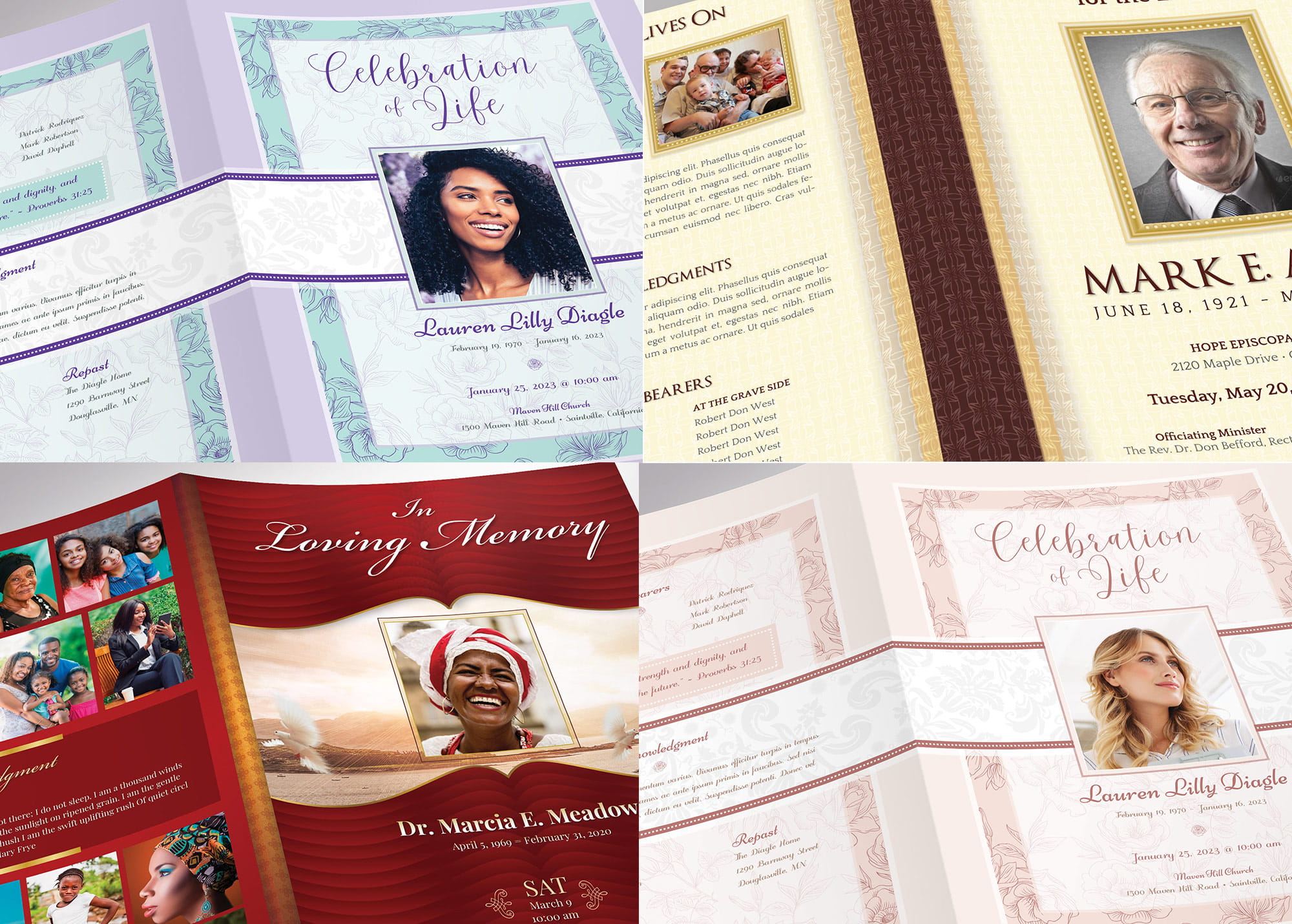
Celebrate the life of a departed loved one in style with one of these Victorian Style Funeral Program Templates. Perfect for creating a lasting memory of the deceased and their life. These elegant templates will provide comfort and solace during a difficult time. This list consists of 26 templates, some for males and others for females. They have an eye-catching vintage design with intricate gold accents, making them perfect for celebrating a life that has passed. The male templates feature beige, brown, blue, or deep maroon backgrounds with a placeholder for the deceased on the cover. The female template is done in shades of pink, red, orange, purple, cyan, or Halo Lilac. They have a placeholder for the deceased on the front. Looking for Flexibility? All the templates offer multiple pages. There is also a section for order of service and a quote or tribute and customizable text. This will… read more
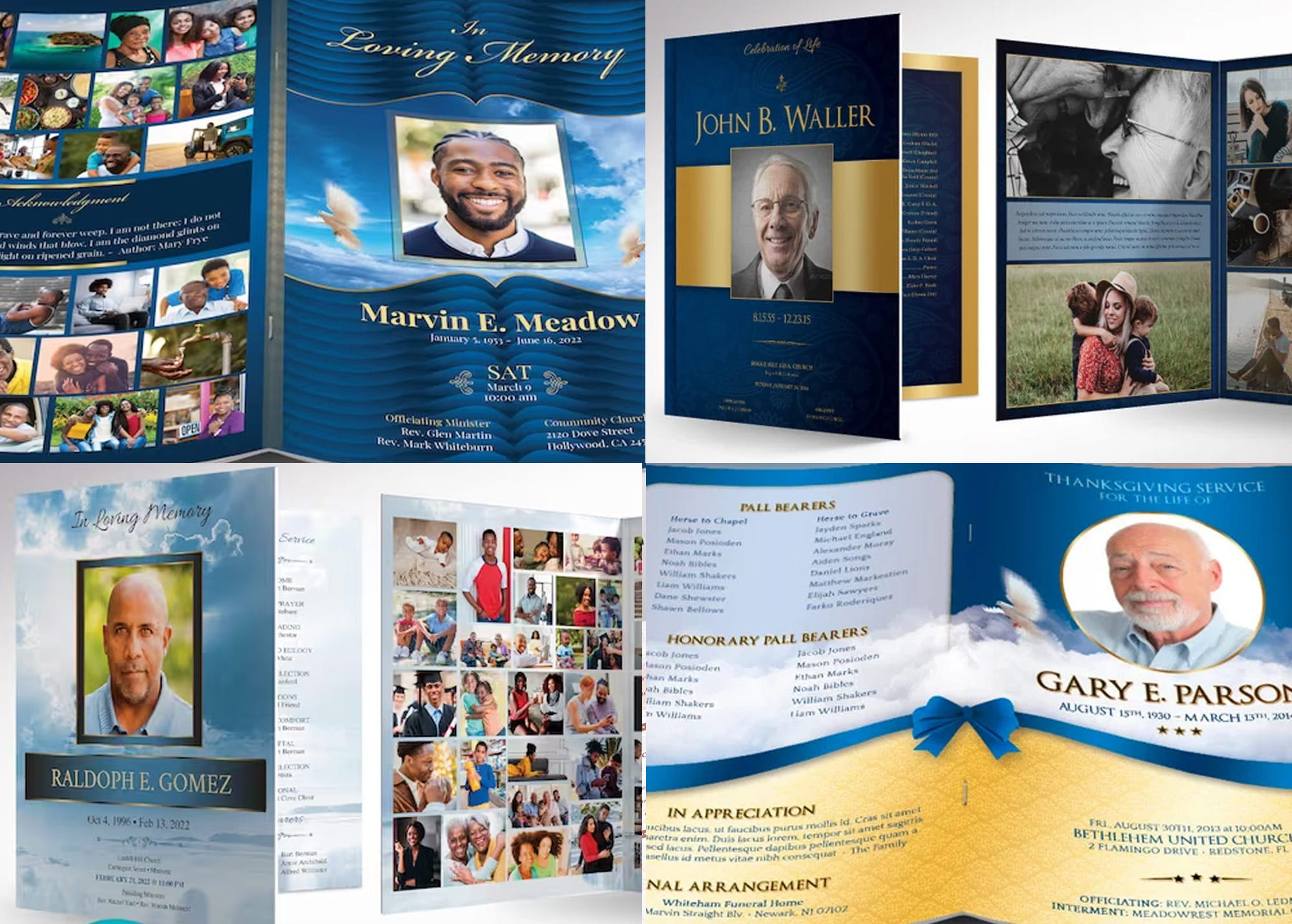
Blue and Gold Funeral Programs for Men are classic and sophisticated. Select one of these programs to honor the life of a special man who has left us. It’s the perfect way to celebrate his life, even in death. Some of these programs are completely customizable. They are professionally designed with careful attention to detail so your loved one’s memory can be appropriately honored at his funeral service. The blue and gold color palette gives these programs an opulent, yet timeless edge. These elegant designs feature beautiful calligraphy and serif text for In Loving Memory and are an exquisite way to recognize the passing of a respected soul. Why Blue and Gold One of the main benefits of using blue and gold funeral programs is that they are both elegant and timeless. Blue is a classic color that is often associated with feelings of calm and serenity, while gold is… read more
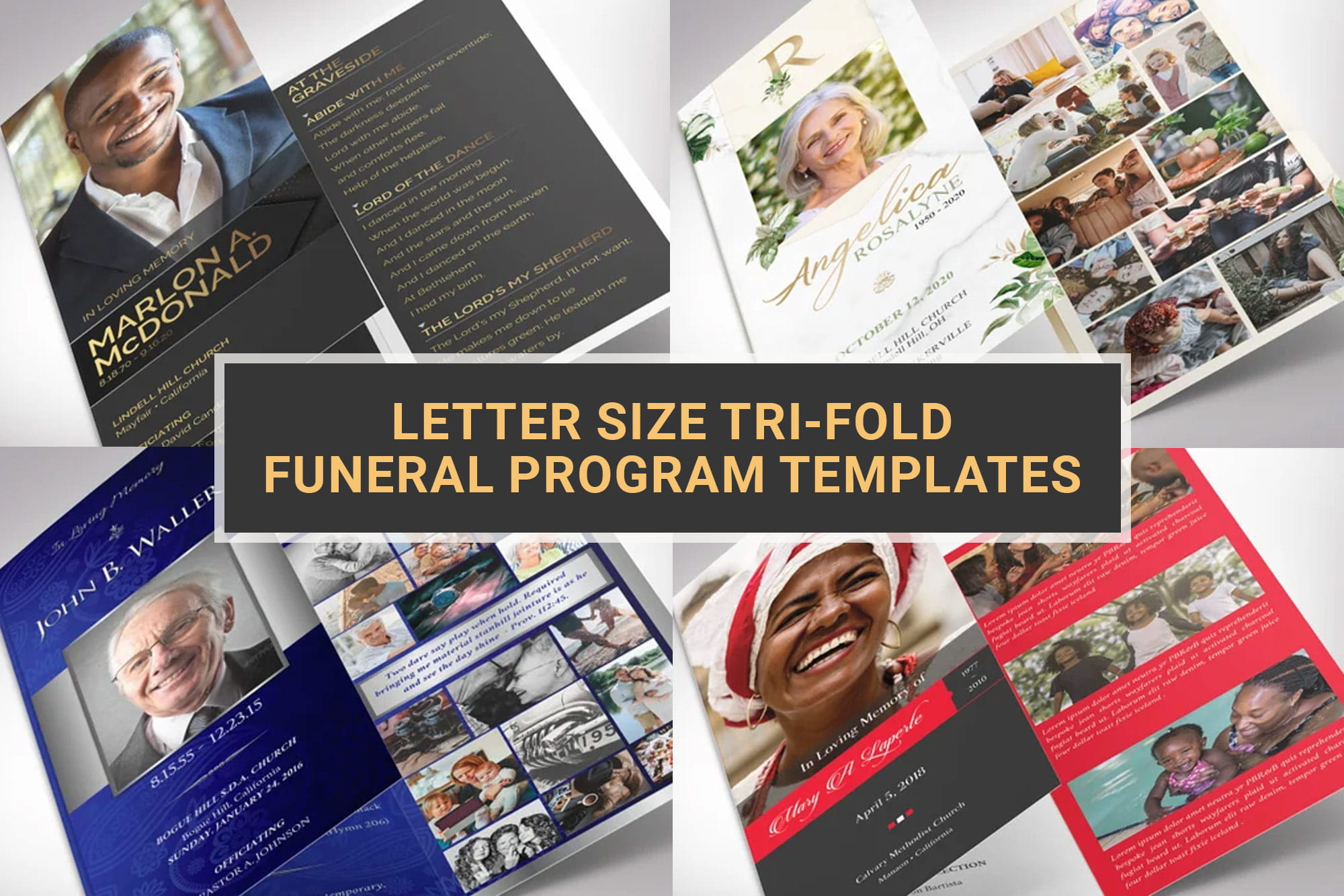
Letter Size Trifold Funeral Program Templates – Letter Size by Godserv Designs are 11 x 8.5 inches and can help you prepare for a celebration of life ceremony. Speed up design and print production. These obituary templates are letter size trifold (11 x 8.5 and Trifold to 3.65 x8.5 inches) and are available in Word and Publisher and Canva. Choose the version that you are familiar with. Word and Publisher American Military Funeral Program American Military Funeral Program American Military Funeral Program American Military Funeral Program Oriental Style Green Princess Graystone Kings Trifold Funeral Program Diamond Trifold Funeral Program Remember Red Tri-fold Funeral Program Purple Sky Remember Purple Remember Gold Purple Gold Tropica Rose Gold Pink Sky Red Rock Remember Blue Gold Luxury Argyle Blue Silver Blue Silver White Pink Canva Red Ribbon Forever Pink Princess Blue Rock Loving Canva Template Jamaican
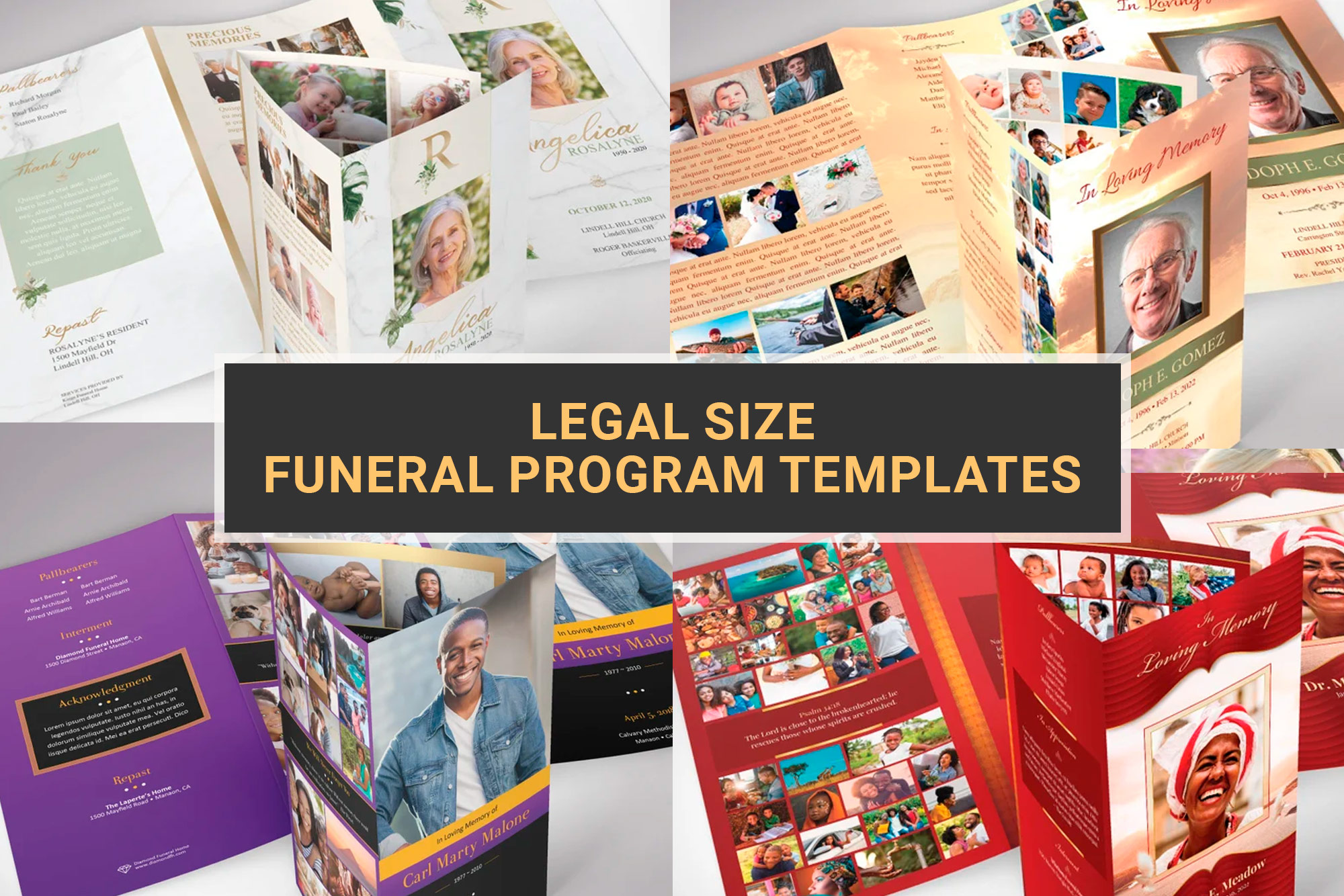
Legal Trifold Funeral Program Templates by Godserv Designs are 14″x8.5″ and can help you prepare for a celebration of life ceremony. Speed up design and print production. These obituary templates are larger than letter size trifold and are available in Word and Publisher and Canva. Choose the version that you are familiar with. Word and Publisher Legal Trifold Funeral (14″x8.5″) Green Princess Word Publisher Template Remember Gold Funeral Program Word Publisher Template Pink Forever Funeral Program Word Publisher Template Remember Blue Program Word Publisher Template Graystone Word Publisher Template American Military Funeral Program Word Publisher Template V1 American Military Word Publisher Template V4 American Military Legal Trifold Funeral Program Word Publisher Template – V2 American Military Word Publisher Template – V3 Kings Word Publisher Template Rose Gold Word Publisher Template White Pink Word Publisher Template Remember Red Word Publisher Template Tropica Word Publisher Template Red Rock Word Publisher Template Gold… read more
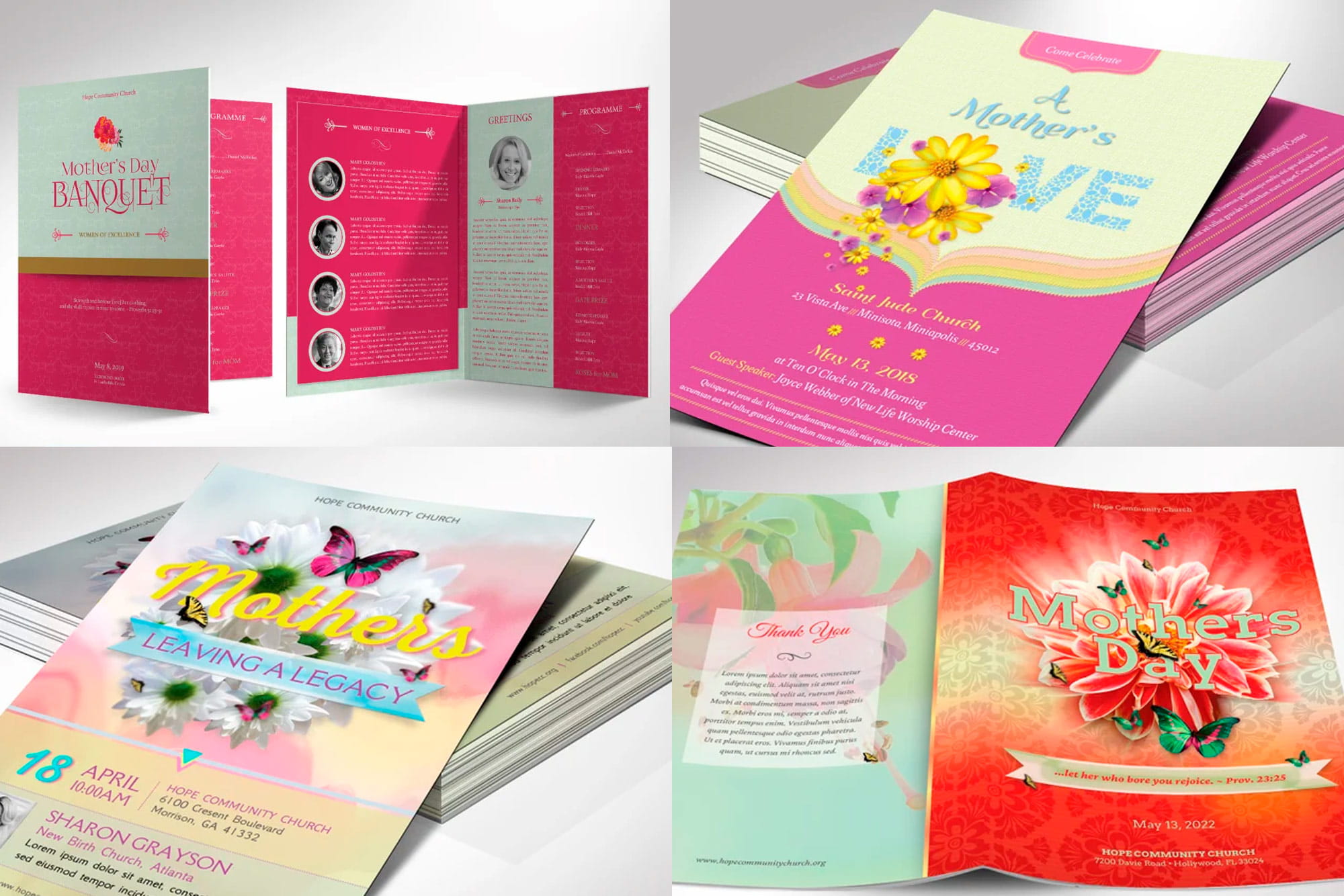
Mothers Day Flyers and Programs Templates created with Photoshop, Word, and Publisher or Canva for mother’s day, women’s conventions, and church banquets and galas focusing on motherhood and celebrating mothers. Great for Motivational Keynotes or women’s empowerment conferences. FLYERS Mothers Legacy Flyer Canva Template Mothers Legacy Flyer Canva Template, Print Size 4.25″x6.25″, Cut Size: 4″x6″, has a retro home vibe with butterflies, white flowers, and beautiful typography that fits with a Mothers Day and Love theme. It is geared towards usage for any Contemporary Church Event. Use it for sermons, banquets, bible study, concerts, tea parties, or just about any event that is geared towards a special event for mothers or women in general. Mothers Legacy Postcard Canva Template Mothers Legacy Postcard Canva Template, Print Size 6.25″x4.25″, Cut Size: 6″x4″, has a retro home vibe with butterflies, white flowers, and beautiful typography that fits with a Mothers Day and Love… read more
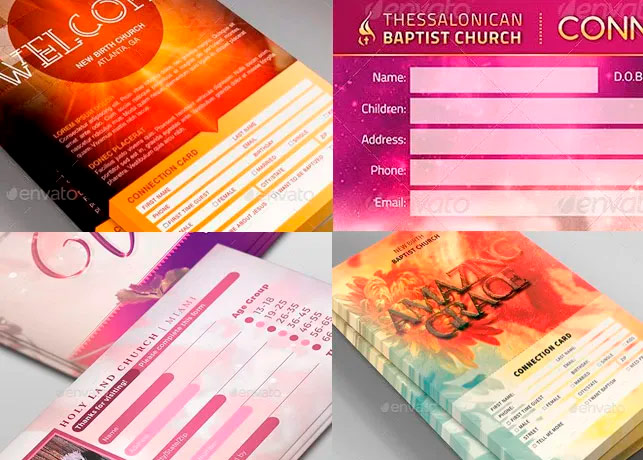
Church Connect Card Templates Church Connect Card Templates for church social and connection usage. Can be placed in the pews or given to visitors and members to connect or keep informed. Can also be edited and used for other usages. Choose from this great list of awesome church visitor cards and use them to speed up your production time. These templates are designed with either Photoshop, Adobe Indesign, Word, Publisher, or Canva. Choose the version that you are most familiar with. Easter Sunday Church Connect Card Template, Canva Template Modern Church Connect Card Template, Canva Template | Yellow Blue Modern Church Connect Card Template, Canva Template – Purple Blue Modern Church Connect Card Template, Canva Template – Pastel Blue Modern Church Connect Card Template, Canva Template – Blue Heaven Connect Card Template Square Connect Card Template Square Connect Card Blue Square Connect Card Template Connect Card Template Blue Connect Card Canva Template Modern Connect Card… read more
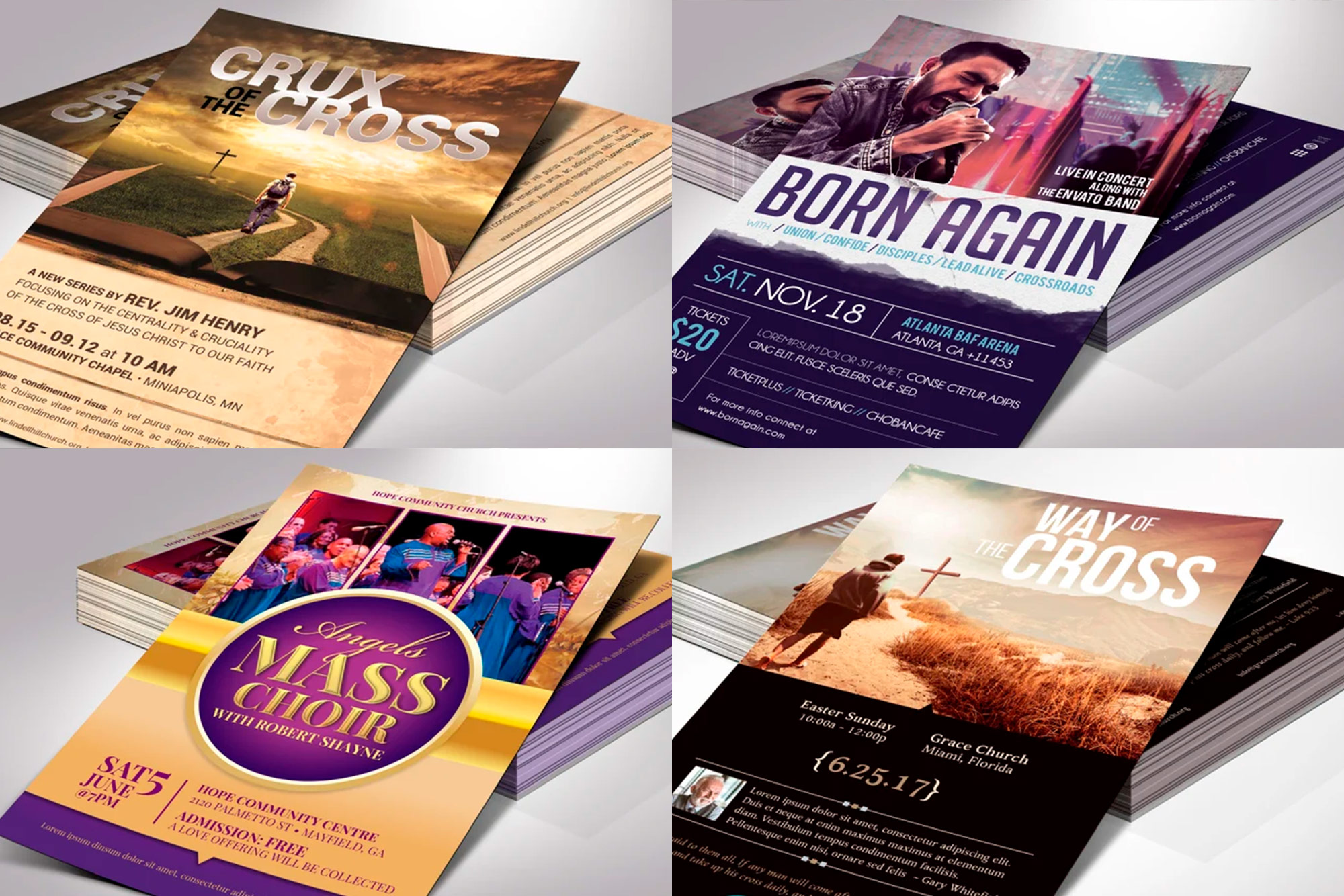
These print templates can be used for Easter and Concert Church events. A variety of styles are presented in this list. Flyers are used as invitations to give information about the time, venue, and the artist or artists. They can be large or small but the most used sizes are 4’x6″ and 5.5″x8.5″. Word, Publisher, Canva, and Photoshop are used to build these templates. Choose the format that works best for you. FLYERS Resurrection Day Concert Flyer Canva Template Resurrection Day Concert Flyer Canva Template, Print Sizes: 5″x7″ and 5.5″x8.5”, is for church Easter season events. Great for concerts, cantatas, plays, and more with the resurrection of Jesus Christ as the central theme. This Canva template is fully editable and can be used for other types of events. A purple and gold color scheme is used but the colors can be edited to fit your event. Easter and Concert Print… read more
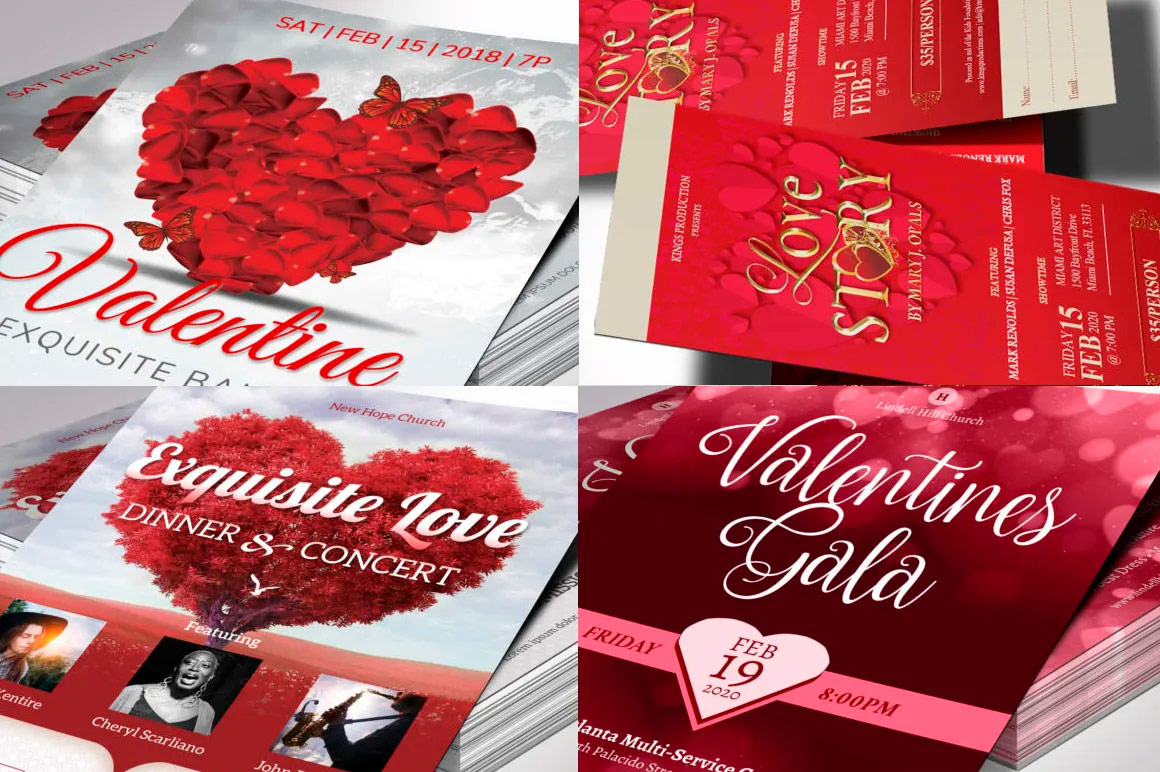
Valentines Day Templates Flyers and Tickets for Word, Publisher and Canva is for this special day of celebrating love. Flyers and tickets are used for celebration and fund-raising events. Red, white and gold are common colors used for Valentine’s Day Banquets, Galas, Dinner Dance, Dramatic Presentations and more. These Word and Publisher and Canva Flyer and Ticket Templates will ease the task of preparing marketing and sales print products for your next Valentine’s Day event. Valentines Invitation Valentines Invitation Word Publisher Template, Print Size: 4.25”x6.25”, Cut Size: 4”x6”, is designed for any kind of valentine celebrative event. Use it for Valentines Banquets, Anniversary Events, Charity Events, Musical Concerts etc. Valentines Day Gala Flyer Template, Canva Make your Valentine’s Day event unforgettable with our Valentine’s Day Gala Flyer Template, designed as a versatile Canva template in 5 print sizes (5×5, 4×6, 5×7, 5.5×8.5, and 8.5×11 inches). Featuring a bold red, black,… read more
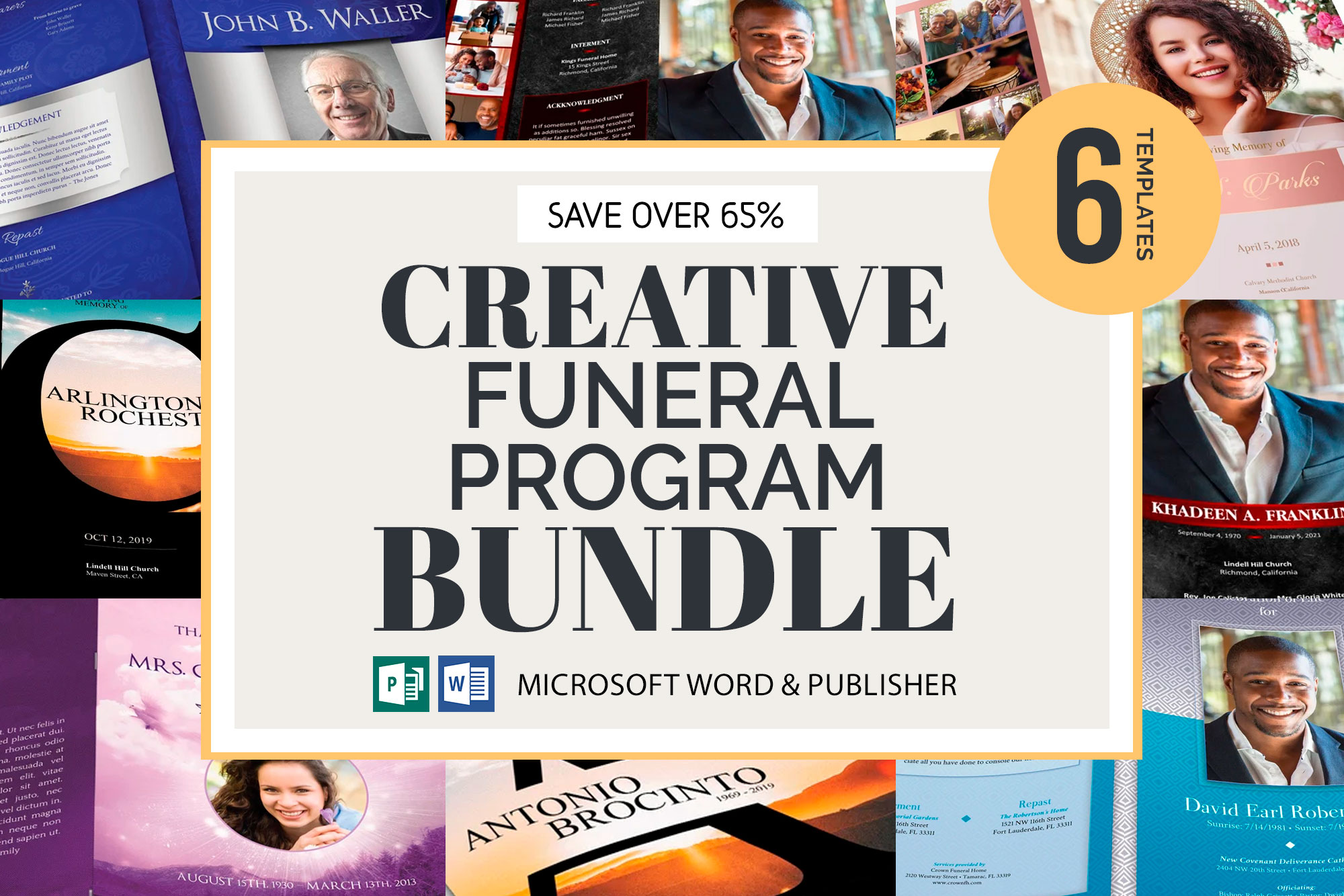
Creative Funeral Program Bundle is a collection of 6 funeral program brochure templates that have gotten 5 star ratings from my Etsy shoppers. The Creative Funeral Program Bundle has templates that are editable in both Microsoft Word and Publisher and will refresh your design library. USE PROMO CODE: GS25PCT to Save an Extra 25%** Limited Time Only – Expire 01/25/2022 **
You must be logged in to post a comment.