
1. Introduction: The Messenger Who Claims to Be the King In the shimmering heat of the Midianite desert, Moses encountered a sight that defied the natural order: a bush that burned but was not consumed. Yet, the greater mystery lay not in the fire, but in the voice. The text of Exodus tells us that “the Angel of the Lord” appeared in the flame, yet this messenger immediately identified Himself as “the God of Abraham.” This presents a profound theological paradox. How can a being be sent by God and yet speak, act, and receive worship as God? For centuries, scholars have utilized the term Christophany—a pre-incarnate appearance of Jesus Christ—as the master key to unlock this ancient puzzle. It suggests that long before the Incarnation in Bethlehem, the second person of the Trinity was serving as the visible presence of the invisible Father. 2. When an Angel Says “I… read more

Insights

The phrase “a house divided” is a staple of modern discourse, often invoked during times of political friction or social upheaval. We treat it as a self-evident truth—a warning that a lack of cooperation leads to inevitable failure. However, the depth of this concept goes far beyond the polished rhetoric of a campaign trail. To understand the true weight of this warning, we must look at how it has been used across biblical history and contemporary social conflicts. It is not merely a call for teamwork; it is a diagnostic tool for identifying the internal rot that causes structures to collapse. By examining the evolution of this phrase, we discover that “division” is less about a difference of opinion and more about the fundamental stability of our lives. The Metric of Standing: When A House Divided Falls The most recognized version of this warning appears in the Synoptic Gospels. In… read more

The journey of faith often begins with an attraction to discipline. For many “reverts”—those who come to Islam from secular or military backgrounds—the structured life of prayer (salah), the clear moral boundaries, and the sense of absolute devotion provide a sanctuary in a chaotic world. Yet, for some, this honeymoon period is met with a “wall of silence.” Consider the experience of a Hispanic veteran who recently shared his struggle on the GodLogic platform. Despite his military-honed discipline and passion for his new faith, he found himself “shunned” by a community that viewed his non-Middle Eastern background with suspicion. Isolated, he was forced to learn the basic requirements of salah on his own, using only the most basic standards available. This isolation becomes a crucible when a seeker’s drive for truth leads them to investigate historical documentation and the Sahih sources that religious leadership frequently labels as “anti-Islamic propaganda.” 1…. read more

1. Introduction: The Spiritual Trojan Horse Many modern seekers hold beliefs they consider “progressive” or “spiritual,” unaware that they are participating in a New Thought movement with deep historical and metaphysical roots. This influence operates through “Happy Lies”—ideological Trojan horses that appear attractive and empowering on the outside but harbor a syncretic deception within. These beliefs promise personal authority and manifestation, yet they are often a subtle rebranding of ancient ideas that function as something entirely different from traditional faith. By analyzing the mechanics of this hidden influence, we can see how it has shaped a world that is increasingly self-obsessed while remaining ontologically adrift. 2. New Thought Movement vs. New Age: Why the “Christian” Version is More Dangerous There is a critical distinction between the “New Age” movement and the New Thought movement. New Age is generally recognizable as occultic, rooted in Eastern mysticism, Hinduism, and Buddhism. It is… read more

Introduction: The Relatable Objection 5 Surprising Reasons the Quran Validates the Gospels. If you have ever shared your faith with a Muslim, you have likely encountered the “Standard Narrative”: the Bible is corrupted (tahrif), the Apostle Paul subverted the message of Jesus, and the Gospels we possess are unreliable because they are “anonymous.” This framework is designed to dismiss the New Testament out of hand, replacing the historical record with a “phantom Injil”—a lost revelation that supposedly looked exactly like modern Islam. Both “Injil” and “Injeel” refer to the same concept: the Gospel revealed to Jesus in Islamic belief; the difference is just spelling in English. When faced with this, most Christians default to a defensive posture, citing manuscript variants or early Church Fathers. However, the “GodLogic” approach advocates for a proactive tactical shift. Instead of immediately defending the Bible, we subject the Islamic position to its own criteria. This… read more


Introduction: Myths vs. Reality Ask ten people how the Bible was formed, and you’ll likely get ten different answers, most of them shaped by Hollywood fiction and cynical soundbites. It’s often viewed as a book whose contents were decided by a shadowy committee, a text so riddled with errors that its original message is lost. These are myths of convenience—oversimplifications that make it easy to dismiss the text without serious engagement. However, understanding the Bible’s origins reveals a foundation that is far more surprising and intellectually robust. The story of how the Bible came to be—from its composition and recognition to its transmission and core theology—challenges these popular caricatures. This article will explore four of the most impactful and counter-intuitive truths about the Bible’s origins and reliability, dismantling the myths and revealing a more compelling reality. 1. The Bible’s Origins Show Books Were Recognized, Not Picked The popular image of… read more

1.0 Introduction: The Unshakeable Pillar of Monotheism The absolute oneness of God is the bedrock of Islam. It is the first and most fundamental principle, a concept understood as the unshakeable pillar upon which the entire faith rests. This core doctrine of monotheism—that God is a single, indivisible being—is universally accepted and central to Muslim identity. But what if a leading Islamic thinker, navigating the metaphysical tightrope of a high-stakes debate, made an argument that seemed to splinter that divine oneness into dozens of separate realities? This is precisely the scenario that unfolded in a recent discussion concerning the 99 ontologies, leading to a cascade of contradictions that has shocked many observers. This post will explore three key takeaways from a debate that raised profound and uncomfortable questions about the nature of God in Islamic philosophy. 2.0 Takeaway 1: The 99 Ontologies Admission and Multiple Realities The discussion featured “Jake… read more
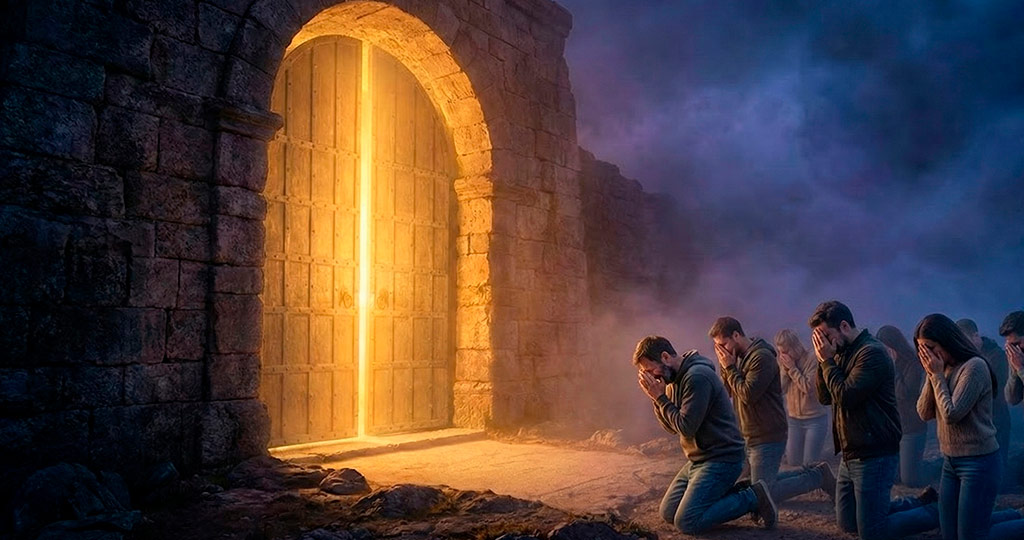
There are few passages in the Bible that cause more anxiety for a sincere believer than Matthew 7:21-23. In it, Jesus describes a future judgment where people who seem to be his followers are turned away with the terrifying words, “I never knew you; depart from me.” These aren’t pagans or atheists; they are people who actively call him “Lord,” prophesy, cast out demons, and perform mighty works in his name. This Matthew 7 warning dismantles comfortable assumptions and forces every believer to ask a terrifying question:
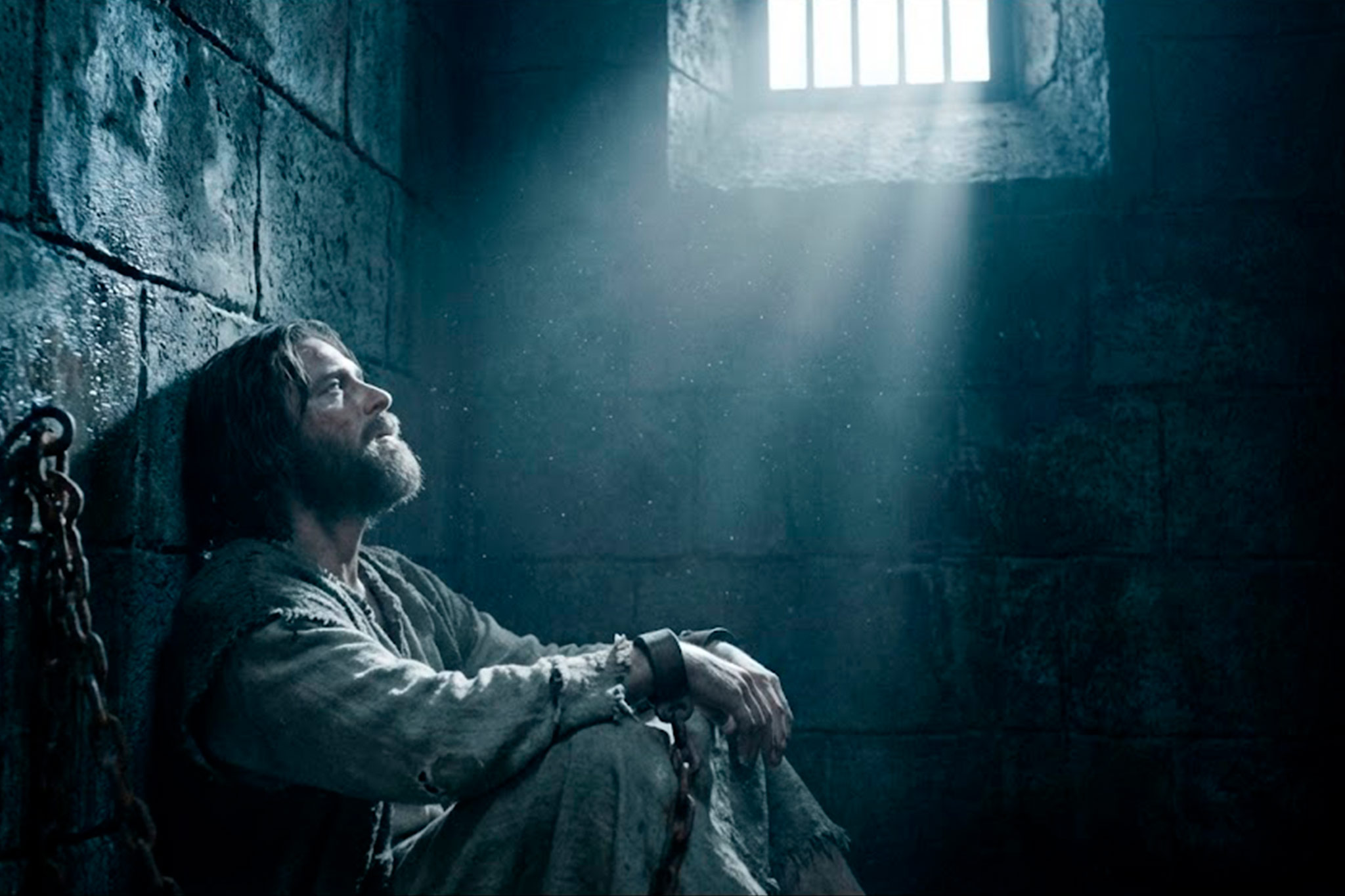
We often read the Bible and imagine its central figures as superhuman saints—people of flawless faith and unshakable conviction. We see their statuesque portraits in our minds and assume their spiritual lives were nothing like our messy, modern ones. However, looking closer reveals profound biblical truths about failure that can transform our understanding of grace.

Beyond the Sunday School Stories For many, the Bible and Quran are familiar in name only. We may know the most famous stories—Noah’s ark, Moses parting the sea, or the night journey of a prophet—but this surface-level awareness often obscures the more complex and challenging realities embedded within these texts and their histories. The common narratives we inherit are often simplified, smoothed over, and sanitized.

When engaging in interfaith dialogue, we often hear that Islam and Christianity simply have different views on Jesus. But a closer look at history reveals something far more intentional. The Gospels were written in the first century, establishing the identity of Jesus Christ through eyewitness testimony. The Quran arrived six centuries later.

The internet is littered with the digital wreckage of religious debates. What often starts as a discussion (Muhammad in the Bible) about faith quickly devolves into a shouting match of disconnected proof-texts and personal attacks. Genuine, intellectually honest conversations—where listening is valued as much as speaking—are exceptionally rare.

Discover the Islamic Dilemma: A logical challenge exploring how the Quran’s affirmation of the Bible contradicts its own message. Can both be true? Explore the evidence.
Imagine converting to a new faith, only to encounter a foundational challenge (The Islamic Dilemma) you’ve never considered. That was the reality for “Elijah,” a new Muslim since November of last year, when he entered a live discussion and came face-to-face with a powerful logical problem.


Welcome to a journey through the lush gardens of the Bible, where flowers in the bible bloom with profound symbolism and offer us glimpses of God’s awe-inspiring creation. Each petal whispers a story, each bloom a testament to the divine artistry that surrounds us. Join me as we explore the bounty and beauty of God’s garden. 1. Lily (Lilium): In the Song of Solomon, we encounter the Lily, symbolizing purity and beauty. “I am the rose of Sharon, and the lily of the valleys” (Song of Solomon 2:1). Like the Lily, may our lives bloom with the fragrance of righteousness. 2. Rose (Rosa): Isaiah paints a poetic picture of the wilderness rejoicing and blossoming. “The desert and the parched land will be glad; the wilderness will rejoice and blossom” (Isaiah 35:1-2). The Rose of Sharon and the Lily of the valleys, symbols of Christ’s beauty and love, grace these verses…. read more

In the Gospel of John, we encounter a profound moment that speaks volumes about humility, servanthood, and the transformative power of love. In John 13:3-15 (ESV), we witness Jesus, the Son of God, taking on the role of a humble servant as he washes the feet of his disciples. This act not only serves as a practical demonstration of cleansing but also holds deep spiritual significance. Understanding the Cultural Context To fully appreciate the weight of this gesture, it’s crucial to consider the cultural context of Jesus’ time. In ancient Israel, the climate and terrain often left feet dusty and soiled. It was customary for individuals, upon entering a home, to remove their sandals and have their feet washed. In wealthier households, this task was typically assigned to servants. The act of footwashing was not only a practical necessity but also a symbol of hospitality and respect. The Power of… read more

In a world filled with uncertainty and challenges, the commandment to “not worry” may seem easier said than done. Yet, as Christians, we are called to trust in the Lord’s providence and find solace in His promises. Matthew 6:26 (ESV) serves as a powerful reminder of God’s care for His creation: “Look at the birds of the air: they neither sow nor reap nor gather into barns, and yet your heavenly Father feeds them. Are you not of more value than they?” Fluffy Pastel Bird Images were created on NightCafe Trusting in God’s Provision: This verse encourages us to reflect on the simple yet profound truth that God, as our heavenly Father, cares for His creation. The imagery of birds, which do not toil for their sustenance but are still provided for by God, reminds us that we, as children of God, are of much greater value to Him. This… read more

The blog post by Bible Box Office, titled “What Can A Beautiful Mind Teach Us About Life?” invites readers on a captivating journey through the cosmic wonders inspired by the movie “A Beautiful Mind.” The introduction seamlessly integrates personal experiences, the movie clip featuring John Nash, and a profound exploration of the night sky. The author skillfully connects the beauty of nature with a broader philosophical and theological reflection, pondering the vastness of the universe and the age-old question of existence. By incorporating scientific facts about stars and galaxies, the post not only captures the reader’s imagination but also prompts contemplation about the source of creation, skillfully tying scientific wonder to spiritual awe. The engaging narrative style, coupled with the infusion of relevant biblical verses, sets the stage for a thought-provoking exploration of life’s mysteries and the awe-inspiring nature of the Creator. “Bible Box Office’s blog post, ‘What Can A… read more

“How To Tell The Truth: A Lesson From Meet The Parents” by Prince Omar, offers a thoughtful exploration of the delicate balance between honesty and compassion. Drawing inspiration from the comedic movie “Meet the Parents“, the post dives into the relatable scenarios where truth-telling can lead to uncomfortable situations. The writer effectively weaves personal anecdotes, biblical references, and cinematic humor to emphasize the importance of delivering the truth with love and tact. By sharing relatable instances of difficult conversations, like addressing bad breath or providing feedback on cooking skills, the author grounds the narrative in everyday experiences. The post’s integration of scriptural passages from Ephesians and Colossians adds depth to the message, highlighting the significance of love and grace when communicating truth. By intertwining entertainment and spiritual insights, Prince Omar successfully imparts the wisdom that speaking the truth is an art that demands sensitivity and consideration of others’ feelings. –… read more

Discover the profound wisdom hidden within a section of the beloved “Shrek” movie in Prince Omar’s latest blog post. Join Prince Omar on a captivating journey alongside Shrek and Donkey as they delve into the inherent tendency to judge others based on appearances and the far-reaching impact of such judgments on individuals and society. Through the lens of this iconic film and biblical teachings, uncover timeless lessons that challenge us to see beyond the surface and recognize the true worth that resides within each soul. As we break free from the confines of superficial judgments, let us embrace the beauty of inner character and the transformative power of looking at people from God’s perspective. The blog, “What Can Shrek Teach Us About Life?“, explores how our brains instinctively make rapid judgments as a means of survival. However, this snap decision-making can perpetuate negative stereotypes and prejudices, leading to harmful consequences…. read more

Part One. Not so random thoughts on Ephesians 4:7-8 Can I just say that the message of the Bible is not tame? It is wilder and more wonderful than most of us dare to imagine. Meek and mild men are always seeking to soften it. Case in point? The multilayered message of Paul’s letter to the church in Ephesus. One might begin to tease apart the manifold layers of timeless truth by employing prepositions: What I mean to do by drawing attention to “God for you” is to highlight the ultimate plan/cosmic warfare aspect of the epistle. Paul strives to do much more than create a cozy little life for the Ephesian believers; He means to draw them into the eternal plan and overarching purpose of God. That purpose and plan are playing out right now as a hyper-galactic spiritual battle that stretches from one corner of creation to the other—but finds its focus on the earth.

Living by Faith book by Rev. Dr. Gerry Gallimore – 168 pages of unbelievable experiences, explained only by the fact that Rev. Dr. Gerry Gallimore lived by faith. Born in the backwoods of Jamaica, and born out of wedlock, Gerry Gallimore had limited schooling. He gave his life to the Lord at an early age and this Living by Faith book recounts the globe-trotting and sometimes daring journey God took him on, including visits to the White House. God’s miraculous hand in the life, times, and journey of Gerry Gallimore. “Come and listen, all you who fear God; let me tell you what He has done for me.†– Psalm 66:16 In 1968 Gerry Gallimore left a well-paying job in the pharmaceutical industry, one that allowed him to purchase a new home and Mercedes Benz as a young adult – to accept the call of God and moved into full-time… read more
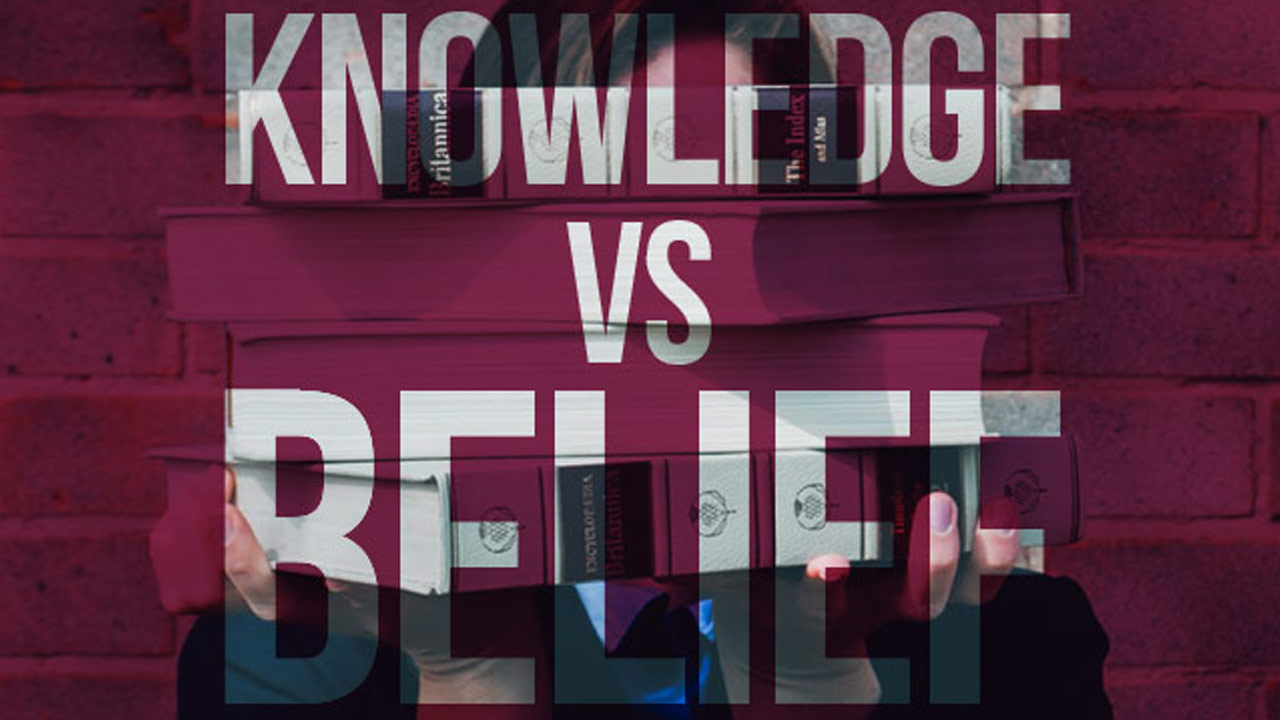
Gist: Clarifying a very popular view about the topic Article 13 (from my latest book, A Controversial Clergyman) It is too widespread a confusion for me to leave it unchallenged. I am talking about the claim that belief is inferior to knowledge (without more, as lawyers would say). Michael Abrahams’ column in the Gleaner yesterday (July 9, 2018) betrayed this confusion and I had to deal with it in passing in a public forum at UTECH in 2001 involving Dr. Leahcim Semaj and Mutabaruka. Every statement purporting to be fact or true is a belief. Indeed, if you call to mind the basic moods in English language sentences, then if it is not a question (interrogative mood), a command (imperative mood), a wish (subjunctive mood), then it is in the indicative mood (an assertion, claiming something). Every such assertion or claim qualifies as a belief, but since some beliefs are quite… read more